
Painting Company Cleveland: Commercial Results for Every Business
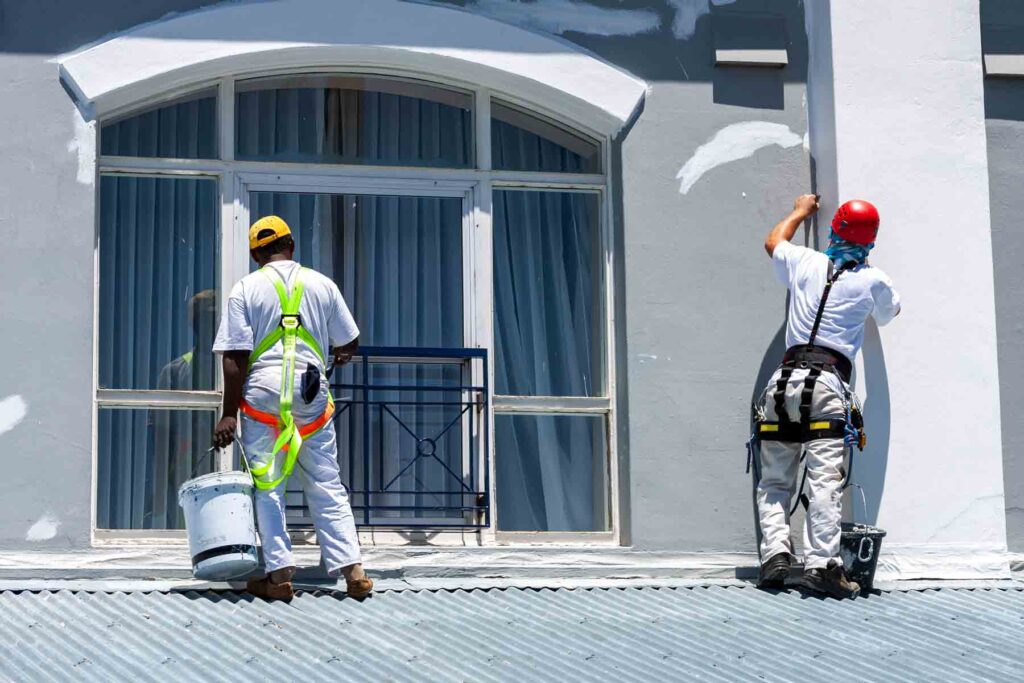
Your facility needs paint that looks sharp and holds up. You also need clear schedules, safe practices, and minimal downtime. You want straight costs, not surprises.
Local commercial projects require planning, the right coatings, and trained crews. Weather, building codes, and foot traffic all matter. Artisan Painting delivers coordinated work that fits business operations in Cleveland, Brunswick, and Cuyahoga County.
Use this guide to plan your next project with confidence. You will learn what to do, when to do it, and how to choose the right partner.
painting company cleveland
When you search for painting company cleveland, focus on proven commercial experience, safety records, and local weather planning. Seek detailed scopes, written schedules, and warranty terms you can verify. Ask for references you can call. Confirm insurance and training.
Why commercial painting matters for businesses
Fresh paint protects assets and supports revenue. It also reduces maintenance and risk.
- Brand and first impressions. Clean, consistent color helps sales and tenant satisfaction.
- Protection. Coatings block moisture, salt, and UV. This reduces corrosion and rot.
- Compliance. Markings, safety colors, and fire-rating needs must be correct.
- Health. Low-VOC coatings improve indoor air quality.
- Resale and leasing. Updated finishes help valuation and occupancy.
| Area | Business Impact | Typical Frequency |
|---|---|---|
| Exterior masonry and metal | Asset protection and curb appeal | 5 to 10 years |
| Interiors in high-traffic zones | Customer experience and hygiene | 2 to 4 years |
| Production floors | Safety, compliance, cleanability | 3 to 5 years |
| Parking lots and striping | Flow, safety, ADA compliance | 1 to 3 years |
How is professional painting different from doing it yourself?
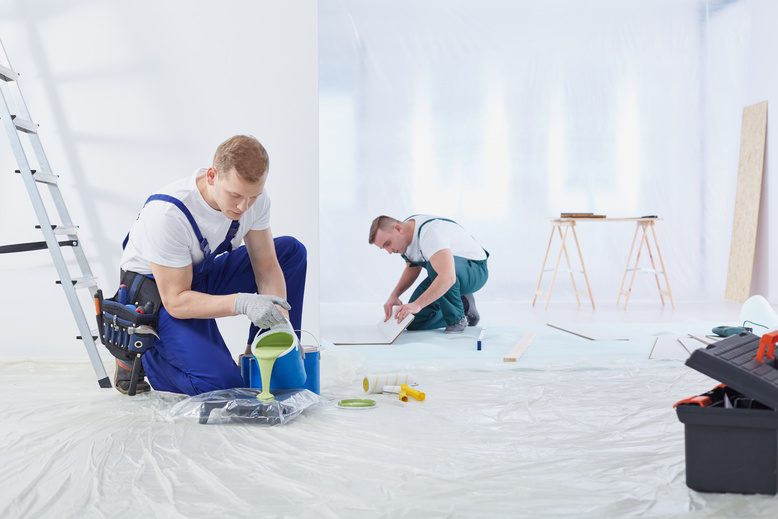
- Project planning. Pros sequence work by area and shift to limit downtime.
- Surface prep. Mechanical abrasion, power washing, and moisture testing reduce failures.
- Materials. Commercial-grade primers and topcoats outperform retail options.
- Safety. Lift certifications, fall protection, and hazard communication protect teams.
- Equipment. HEPA sanders, airless sprayers, lifts, and meters speed work and improve finish.
- Documentation. SDS sheets, product data sheets, and daily logs support compliance.
- Warranty. A written labor and material warranty backs the work.
What does interior painting do for workspaces?
- Defines zones. Color coding improves wayfinding and safety.
- Boosts comfort. Proper light reflectance improves visibility and reduces eye strain.
- Improves cleanliness. Scrubbable coatings cut cleaning time.
- Supports brand. Consistent palettes align with marketing.
| Space | Recommended Finish | Why |
|---|---|---|
| Offices and conference rooms | Eggshell or satin | Soft sheen, easy maintenance |
| Hallways and lobbies | Satin or semi-gloss | Higher scrub resistance |
| Restrooms and break rooms | Semi-gloss | Moisture and stain resistance |
| Healthcare and labs | High-performance epoxy or urethane | Chemical resistance and durability |
What are the benefits of exterior commercial painting?
- Stops water intrusion. Seals hairline cracks and penetrations.
- Slows corrosion. Protects steel and metal siding from salt and humidity.
- Handles freeze-thaw. Elastomeric and masonry coatings bridge minor movement.
- Increases visibility. Signage and brand colors stand out.
- Reduces future costs. Proper priming and coating extend service life.
| Exterior Substrate | Common Issue | Solution |
|---|---|---|
| Brick and block | Efflorescence and moisture | Alkaline-resistant primer and breathable topcoat |
| Stucco | Hairline cracking | Elastomeric coating |
| Metal | Rust bloom | Rust conversion and direct-to-metal coating |
| Wood | Peeling and UV damage | Proper scraping, priming, and UV-stable topcoat |
What do you need to know before painting a commercial property?
- Scope by area. List rooms, elevations, trim, and substrates.
- Operational limits. Define work hours, access rules, and noise limits.
- Surface conditions. Note peeling, moisture, mold, rust, or cracks.
- Substrate type. Masonry, drywall, metal, wood, or composites need different systems.
- Safety needs. Lifts, fall protection, ventilation, and containment plans.
- Color standards. Brand guides, LRV targets, and safety color codes.
- Permits and notifications. Confirm any city or landlord requirements.
How do painting costs compare to long-term value?
Look at life-cycle cost, not only the bid number. Durable systems reduce annualized spend and risk.
| System | Typical Initial Cost | Expected Life | Annualized Cost |
|---|---|---|---|
| Basic interior latex | $$ | 2 to 3 years | $$ |
| Washable acrylic | $$$ | 4 to 6 years | $$ |
| 2-part epoxy floor | $$$$ | 7 to 10 years | $$ |
| Elastomeric exterior masonry | $$$$ | 8 to 12 years | $$ |
Example. A 20,000 sq ft office interior at $1.70 to $2.50 per sq ft equals $34,000 to $50,000. A washable system that lasts two years longer often cuts one full repaint over ten years. That can save 20 to 30 percent in total spend. A trusted painting company cleveland can recommend life-cycle coatings that fit your traffic and cleaning needs.
What types of paint and finishes work best for commercial uses?
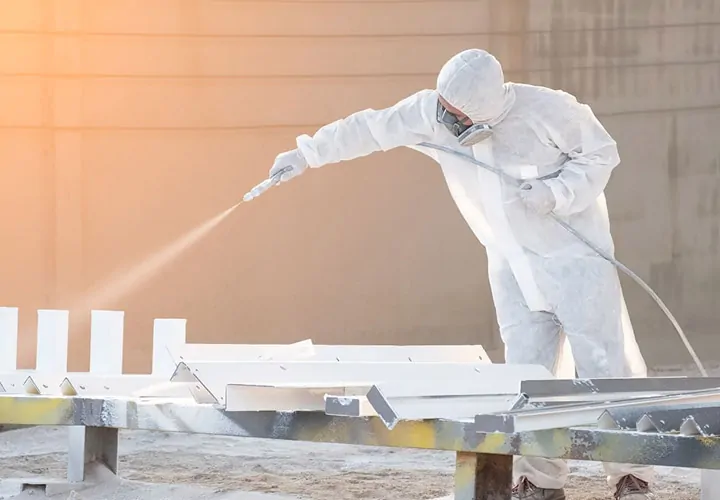
Match the coating to the substrate, traffic, and cleaning process. Verify the product data sheet for recoat times, cure times, and VOC levels.
| Area | Coating Type | Finish | Notes |
|---|---|---|---|
| Office walls | Acrylic latex | Eggshell or satin | Balance of look and cleanability |
| Hallways and stairwells | Scuff-resistant acrylic | Satin | High abrasion resistance |
| Restrooms | Moisture-resistant acrylic | Semi-gloss | Mildew resistance |
| Kitchens and labs | 2-part epoxy | Satin or gloss | Chemical and stain resistance |
| Warehouses and floors | Epoxy or polyaspartic | Gloss | High build and durability |
| Exterior masonry | Elastomeric or acrylic | Low sheen | Bridges hairline cracks |
| Metal surfaces | Direct-to-metal urethane or alkyd | Satin or gloss | Corrosion resistance |
For a deeper breakdown of product classes and where to use them, see Different types of paints explained.
When is the best time to schedule painting in Cleveland?
Plan around temperature, humidity, and your busy periods. Cleveland winters are cold with salt exposure. Summers can be humid.
| Season | Interior | Exterior | Notes |
|---|---|---|---|
| Winter | Ideal with ventilation | Limited, weather dependent | Focus on offices, corridors, and production lines during shutdowns |
| Spring | Good | Strong | Prime time for exterior prep and coatings |
| Summer | Good | Strong | Watch humidity and rain windows |
| Fall | Good | Good | Complete exterior before freeze |
For month-by-month timing, review Seasonal painting trends in Ohio.
Why does surface preparation matter?
Coatings fail when prep is weak. Adhesion depends on a clean, sound, and profiled surface.
- Test and document moisture and pH on masonry.
- Remove oils, chalk, and loose paint.
- Feather and sand edges for smooth transitions.
- Treat rust to white metal or use rust converters as specified.
- Repair cracks and caulk joints.
- Prime with the correct bonding or blocking primer.
| Defect | Cause | Prep Solution |
|---|---|---|
| Peeling | Poor adhesion or moisture | Scrape, sand, dry, prime |
| Blistering | Trapped moisture or heat | Ventilate, dry, use breathable primer |
| Chalking | UV breakdown | Wash, chalk-binding primer |
| Rust bleed | Corrosion | Abrade, rust-inhibitive primer |
What helps with choosing the right paint colors?
- Follow brand standards. Confirm PMS, HEX, and RGB values.
- Use LRV to manage brightness and energy use. Higher LRV reflects more light.
- Test samples on site. Check under day and artificial light.
- Balance contrast. Provide clear separation for doors, frames, and handrails.
- Apply safety colors where required. Mark hazards and egress paths.
| Goal | Color Approach | Notes |
|---|---|---|
| Calm offices | Neutral base with one accent wall | Supports focus |
| Retail visibility | Brand accents at entry and POS | Guide customer flow |
| Wayfinding | High-contrast rails and doors | Improves accessibility |
| Industrial safety | OSHA-informed safety colors | Mark hazards and lanes |
How warranties and high workmanship affect value
- Warranty length. 1 to 3 years is common for interiors. 2 to 5 years for exterior systems.
- Coverage scope. Labor and materials should be clear. Exclusions must be listed.
- Maintenance terms. Cleaning and inspection schedules may be required.
- Documentation. Keep product labels, lot numbers, and dates.
| Item | Look For |
|---|---|
| Written warranty | Signed document with dates and areas |
| Failure response | Defined inspection and remedy steps |
| Transferability | Clarify if ownership changes affect coverage |
| Exclusions | Moisture, abuse, chemicals, and structure movement |
Select a painting company cleveland that offers a clear, written warranty and documents prep and products. That protects your budget and schedule.
What steps are involved in a commercial painting job?
- Assessment. Walk the site, test moisture, and confirm substrate.
- Scope and estimate. Define areas, prep levels, products, and schedule.
- Color approvals. Produce samples and mockups if needed.
- Mobilization. Set up protection, signage, and containment.
- Surface prep. Clean, repair, sand, mask, and prime.
- Application. Apply coatings within temperature and humidity ranges.
- Quality control. Check mil thickness and finish uniformity.
- Cleanup. Remove masking, clean areas, and dispose of waste per rules.
- Walkthrough. Punch list and final sign-off.
- Closeout. Provide warranty, product data, and maintenance guidance.
What factors affect painting budgets?
- Size and complexity. More surface area and detail increase labor.
- Prep level. Heavier prep raises cost but prevents failure.
- Height and access. Lifts and scaffolding impact time and safety costs.
- Substrate condition. Moisture or rust requires extra steps.
- Product selection. Higher-build or specialty coatings cost more but last longer.
- Schedule. Off-hours or phased work can add mobilizations.
- Site rules. Badges, escorts, and security checks add time.
| Cost Driver | Low Impact | High Impact |
|---|---|---|
| Prep | Light cleaning and patching | Full removal, repair, rust treatment |
| Access | Ground-level, open areas | Lifts, confined spaces, occupied areas |
| Coating | Standard acrylic | Epoxy, urethane, elastomeric |
| Schedule | Regular hours | Night, weekend, holiday shutdowns |
How do you know when a repaint is needed?
- Peeling or flaking on trim or siding.
- Fading or chalking on south or west elevations.
- Cracks or water stains on interior walls or ceilings.
- Rust bleed on metal doors, frames, or rails.
- High-traffic scuffs that no longer clean well.
- Mildew or persistent odor after cleaning.
Inspect quarterly. Track changes by photo. Note moisture readings where feasible. Plan touchups and phased repaints before failure spreads.
How do you choose the right painting contractor?
- Commercial references. Ask for similar building types and sizes.
- Detailed scope. Look for written prep steps, product names, and coat counts.
- Schedule plan. Seek a day-by-day plan and phasing for occupied spaces.
- Safety program. Confirm insurance and safety training records.
- Warranty terms. Get a signed document with coverage details.
- Communication. Require a single point of contact with daily updates.
- Mockups. Use sample areas to approve color and finish.
Compare quotes from a painting company cleveland that shows product data sheets, lift certifications, and a plan to protect your operations. Ask how the crew will contain dust, shield inventory, and manage odors.
What does interior painting do for special facilities?
- Medical. Low-VOC, antimicrobial, and cleanable systems help infection control.
- Education. Durable, scuff-resistant walls and high-contrast safety lines improve use.
- Manufacturing. High-build floor coatings improve safety lanes and durability.
- Hospitality and retail. Fast recoat times limit downtime and protect revenue.
Coating selection by environment
| Environment | Risk | Best Practice |
|---|---|---|
| Cold docks | Freeze-thaw and salt | Surface dry-out, DTM urethane on metals |
| High humidity rooms | Mildew | Mildew-resistant coatings and ventilation |
| Sun-heavy elevations | UV fade | UV-stable acrylics with high solids |
| Chemical wash areas | Coating breakdown | Epoxy or urethane with proper cure times |
How to phase work to reduce downtime
- Divide the site by zones and shifts.
- Schedule low-traffic areas first to test flow.
- Use fast-dry coatings where safe.
- Stage materials and lifts per zone to cut movement time.
- Post daily area closures and reopenings.
Documentation you should receive
- Scope drawings and area list.
- Product data sheets and SDS.
- Daily reports with crew counts and progress.
- Inspection checklists and punch list closeout.
- Warranty certificate with dates and coverage.
Quality checks you can run onsite
- Random adhesion checks on patched areas.
- Mil thickness verification on floors and exteriors.
- Finish uniformity under both day and artificial light.
- Edge lines and mask removal quality.
- Cleanup in adjacent areas, ducts, and floors.
Safety practices to verify
- Lift and ladder inspections logged daily.
- Fall protection at heights with anchor plans.
- Ventilation and odor control in occupied spaces.
- Containment for sanding and spraying.
- Fire safety and spark control near flammables.
Communication plan that avoids disruptions
- One contact for scheduling and updates.
- Daily start and end times by zone.
- Advance notices for noisy or odorous work.
- Emergency contacts for off-hours issues.
Budget planning tips for multi-year sites
- Set a 3 to 5 year refresh plan by zone.
- Bundle similar prep levels to reduce mobilizations.
- Prioritize weather-exposed elevations first.
- Use touchup kits for minor damage between cycles.
Common pitfalls to avoid
- Skipping moisture and pH tests on masonry.
- Using interior coatings on exterior doors and frames.
- Painting in poor temperature or humidity windows.
- Underestimating prep on previously coated metal.
- Weak masking and protection in occupied areas.
Case-style example: office and warehouse combo
- Scope. 12,000 sq ft office, 40,000 sq ft warehouse, 800 linear feet of safety striping.
- Schedule. Two-week office interior at night. Warehouse by zones over three weekends.
- Products. Washable acrylic for offices. Epoxy floor with urethane topcoat for forklift lanes.
- Result. Zero lost production hours. Annualized cost reduced by 18 percent over prior cycle.
A qualified painting company cleveland can lay out this plan before mobilization.
FAQ
How long will the smell last?
Low-VOC products and ventilation cut odor within hours. Full cure may take days. Plan off-hours work for sensitive areas.
Can you work while we are open?
Yes with the right phasing. Close small zones. Use containment. Post clear signs.
How many coats do we need?
Most systems use one primer and two finish coats. High-build or deep colors may need more.
What if we need color changes later?
Keep a color and product log. Store touchup materials and labels.
Conclusion
Smart commercial painting protects your building and your brand. It also reduces maintenance spend and downtime. Plan the scope, choose the right coatings, and partner with a team that documents prep and warranty. Your facility will look better and last longer.
Ready to plan your project in Cleveland or Brunswick? Request a site walk, a clear scope, and a guaranteed schedule from Artisan Painting. Get a quote that fits your timeline and your goals.
