
Protect and Enhance Your Cuyahoga County Home with Paint

Summary
- Paint protects siding, trim, and masonry from Lake Erie moisture, UV, and freeze-thaw cycles.
- Typical exterior repaint cycles: 5–7 years for wood, 7–10 for fiber cement or brick coatings.
- Interior repaint cycles: 5–7 years for main rooms, 3–5 for baths and kitchens.
- Professional prep and products reduce callbacks and extend coating life.
- Choose paints and finishes based on room use, substrate, and climate exposure.
- Best local timing: late spring to early fall. Plan early to reserve ideal dates.
- Expect a clear process: estimate, color planning, surface repairs, protection, painting, and cleanup.
- Vet contractors by licensing, insurance, references, written scope, and warranty.
- Smart paint choices lower maintenance costs and improve resale value.
- Use the checklist, tables, and FAQs below to plan a durable, attractive result.
If you own a home in Cuyahoga County, a high quality paint job protects your investment and boosts curb appeal. The right system shields wood, aluminum, vinyl, and masonry from moisture and sun. It also seals out drafts and pests. Working with Artisan Painting ensures proven prep, premium products, and a finish that fits our climate. When you plan residential painting Cuyahoga County the right way, you extend the life of your home’s surfaces and keep maintenance predictable.
If you’re comparing options or trying to understand what your project should realistically cost, speaking with experienced painters in Cleveland Ohio can give you clear expectations before you start. A quick consultation can help you choose the right prep, products, and approach for your home’s specific surfaces and neighborhood conditions.
Residential painting Cuyahoga County
Northeast Ohio homes face rapid temperature swings, lake-effect moisture, and strong summer sun on south and west elevations. Coatings fail fast when prep is weak or paint is mismatched to the surface. Use this guide to select products, timing, and a contractor that deliver long-term performance. You will find checklists, cost ranges, and a clear process to follow.
Why Residential Painting Matters in Cuyahoga County
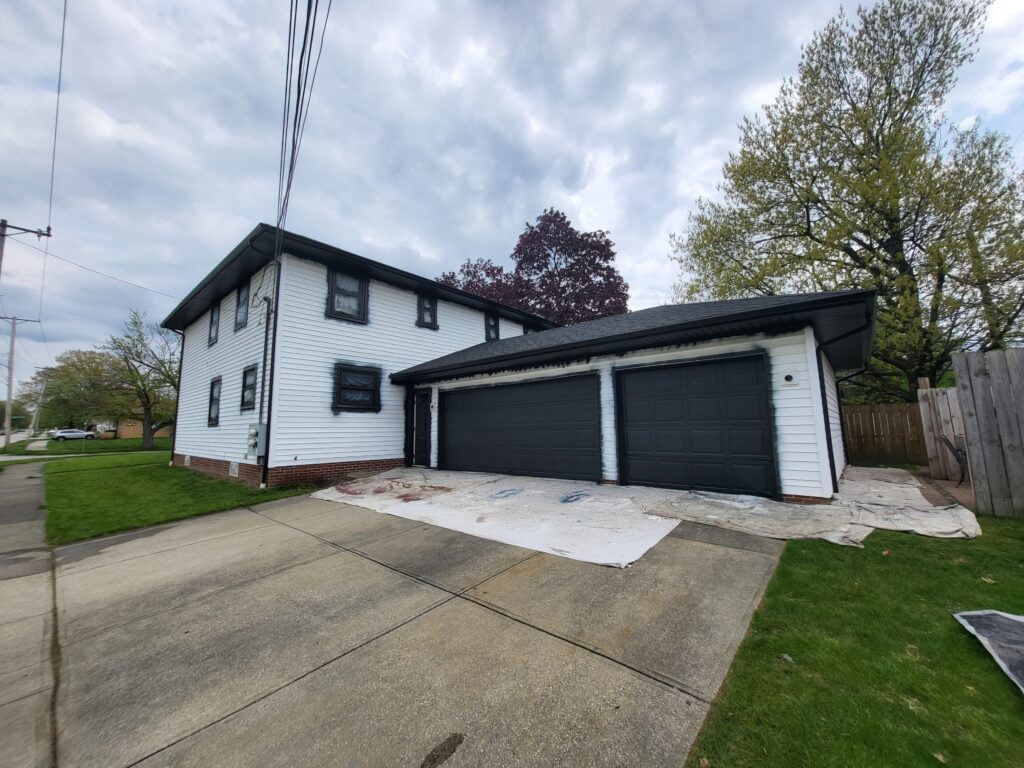
Paint is more than color. It is a protective system. In our area, freeze-thaw cycles drive moisture into hairline cracks. UV breaks down resin binders. Rain and snow exploit weak caulk lines. Proper coatings reduce water intrusion, block UV, and slow decay.
Benefits include:
- Moisture control: Quality primer and topcoat seal porous surfaces, which reduces swelling, rot, and peeling.
- Energy performance: Sealed trim and caulked joints cut drafts.
- Pest deterrence: Tight paint film closes gaps that attract insects.
- Resale value: Fresh, neutral interiors and a clean exterior signal care. Listings with new paint often photograph better and draw more showings.
- Lower long-term cost: Regular repainting prevents costly siding replacement and drywall repairs.
Exterior paint failure often starts on sun-exposed or weather-facing sides. South and west walls chalk and fade sooner. North walls hold moisture longer and can grow mildew. Plan inspections every spring and fall so you can address small issues early.
Professional vs DIY: Home Painting Efficiency
DIY can work for single rooms in good condition. Whole-house projects benefit from a professional crew. The difference shows in prep and production rate.
Where Pros Save Time and Reduce Risk
- Surface testing: Moisture meters and adhesion tests prevent coating over damp or glossy layers.
- Lead-safe practices: Many local homes were built before 1978. Certified crews follow EPA RRP rules when disturbing old paint.
- Prep standards: Mechanical sanding, deglossing, proper primers, and joint sealing minimize premature failure.
- Spray and back-roll methods: Crews apply uniform thickness and achieve better penetration in textured substrates.
- Weather calls: Experience guides go/no-go decisions on marginal days to avoid flashing or surfactant leaching.
Cost of Mistakes
- Wrong primer over bare wood can lead to peeling within a season.
- Painting in high humidity traps moisture and causes blistering.
- Poor masking raises cleanup time and damages finishes or landscaping.
Pros complete exterior projects in days instead of weeks and offer warranties. That lowers lifecycle cost and stress.
Signs You Need to Repaint Your Home
- Exterior paint chalking or fading on sun sides.
- Hairline cracks in caulk around windows and doors.
- Peeling or blistering on bottom clapboards and end grain.
- Water stains on interior ceilings or wall corners after storms.
- Mildew or algae growth on north or shaded walls.
- Interior scuffs, sheen loss, and stains that do not wash off.
- Exposed wood fibers or powdery brick that absorbs water quickly.
Test paint health: Press tape on the surface and pull. If chips come off easily, plan a repaint. Splash water on brick or stucco. If it darkens fast and stays wet, re-coating may be due.
Best Paint Types and Finishes for Cuyahoga Homes
Your paint choice should match the substrate and room conditions. Pair a bonding primer with a topcoat designed for the exposure. For color ideas that suit current styles and local light, review the 2025 Cleveland paint colors guide.
Recommended Systems
| Area | Substrate | Primer | Topcoat | Finish | Notes |
|---|---|---|---|---|---|
| Exterior siding | Wood | Oil or alkyd bonding primer | 100% acrylic exterior paint | Satin | Seals tannins; flexible film resists cracking. |
| Exterior siding | Fiber cement | Acrylic primer (if needed) | 100% acrylic exterior paint | Satin | Holds color; good mildew resistance. |
| Exterior trim | Wood or PVC | Stain-blocking primer | Urethane-alkyd or acrylic enamel | Semi-gloss | Easier to clean; sharper lines. |
| Exterior metal | Aluminum/steel | Rust-inhibitive metal primer | Acrylic DTM | Satin | Promotes adhesion and stops corrosion. |
| Masonry | Brick/stucco | Masonry conditioner or block filler | Elastomeric or acrylic masonry paint | Flat | Bridges hairline cracks; breathes. |
| Interior walls | Drywall | Quality drywall primer | Low-VOC acrylic | Eggshell | Balanced washability and low glare. |
| Kitchens/baths | Drywall | Mildew-resistant primer | Moisture-resistant acrylic | Satin | Better moisture and stain resistance. |
| Trim/doors | Wood/MDF | Adhesion primer | Urethane-alkyd enamel | Semi-gloss | Hard, smooth, durable finish. |
Choose higher solids paints for better coverage and film build. Look for labels with good dirt pick-up resistance and mildewcides for north faces. Low-VOC products improve indoor air quality and still provide strong durability.
Get a detailed spec for residential painting Cuyahoga County before work begins. The spec should list substrate prep, primers, topcoats, and finish sheen.
Timing Matters: When Should You Paint?
Good weather helps paint cure to full strength. In Cuyahoga County, target late spring through early fall. Avoid painting just before rain or on mornings with heavy dew.
Local Climate Tips
- Ideal surface temps: 50–90°F for most acrylics. Some advanced paints cure down to 35–40°F. Confirm the data sheet.
- Humidity: Aim for under 70% during application. Watch overnight dew.
- Dry time: Allow the manufacturer’s minimum recoat time to avoid lap marks or blocking.
- Sun exposure: Paint shaded sides first. Follow the shade around the house.
Seasonal Scheduling Window
Month:   Mar Apr May Jun Jul Aug Sep Oct Nov
Exterior:  ✗   △   ✓   ✓   ✓   ✓   ✓   ✓   △
Key: ✓ best, △ possible with care, ✗ not advised for full exteriors
Book early to secure prime weeks. Crews also apply commercial scheduling systems to residential projects to keep timelines tight. See how pro scheduling powers results in this overview: Commercial results for every business.
What to Expect During a Residential Paint Job
1. Consultation and Estimate
- Walkthrough to review goals, damage, colors, and access.
- Written scope with surface counts, prep steps, primer, paint, and number of coats.
- Clear schedule and payment plan.
2. Color and Sheen Planning
- Test swatches on different walls and light conditions.
- Confirm finish by room use. High-touch areas get more washable sheen.
3. Site Protection and Prep
- Cover floors, furniture, shrubs, and hardscapes.
- Scrape, sand, patch, and caulk as needed.
- Prime bare or stained areas and glossy surfaces.
4. Application
- Consistent film thickness by brush, roller, and controlled spray.
- Back-brush and back-roll for coverage and profile.
5. Final Walkthrough
- Touch-ups, cleanup, and labeled leftover paint for future matches.
- Warranty details and care instructions.
Common Surfaces and Prep Work
Durability begins with prep. Use the right method for each material.
| Surface | Common Issues | Prep Steps | Notes |
|---|---|---|---|
| Wood siding/trim | Peeling, rot at end grain | Scrape, sand to feather edges, epoxy repairs, spot prime, caulk joints | Keep end grain sealed. Use flexible, paintable caulk. |
| Aluminum siding | Chalking, fading | Wash with TSP substitute, rinse, scuff sand glossy areas, bonding primer if needed | Use acrylic topcoat designed for metal. |
| Vinyl siding | Color fade, warping risk with dark colors | Wash thoroughly, no primer if sound, use vinyl-safe colors | Choose colors with similar LRV to avoid heat warping. |
| Brick/stucco | Efflorescence, hairline cracks | Remove salts, repair cracks, masonry conditioner, breathable coating | Do not trap moisture. Consider elastomeric on stucco. |
| Drywall | Nail pops, tape cracks | Spot repair, sand, prime repairs, full coat | Use high-build primer on patched areas. |
| Bathrooms/kitchens | Moisture, stains | Clean, stain-block prime, mildew-resistant topcoat | Improve ventilation to extend life. |
Color Planning for Curb Appeal and Style
Color impacts mood and resale. Exterior palettes benefit from contrast between body, trim, and accents. Interiors look larger with lighter, consistent tones. Use deeper colors on accent walls or powder baths.
- Test colors on large sample boards and view in morning and afternoon.
- Respect fixed elements: roof color, brick tone, stone, and floors.
- For exteriors, shift one sheen up on trim to add definition.
- Use a single neutral through halls to connect rooms visually.
- Balance cool and warm temperatures across spaces.
For fresh palettes proven in local light, explore the 2025 Cleveland paint colors guide. It includes combinations tested in Cleveland and surrounding suburbs.
How to Vet a Cuyahoga County Painting Contractor
The right contractor protects your home and schedule. Use this checklist.
Credentials
- General liability and workers’ compensation insurance.
- EPA RRP certification for pre-1978 homes.
- Local references with similar project size and scope.
Clear Scope and Communication
- Written estimate listing prep, primers, paints, coats, and brand lines.
- Defined start date, daily arrival times, and completion target.
- Change-order process in writing for unexpected repairs.
Quality and Warranty
- Photos of recent projects and addresses you can drive by.
- Warranty that covers labor and materials for a realistic term.
- Daily cleanup and a single point of contact.
Ask how crews decide when to paint during borderline weather. The answer should reference surface temperature and dew point, not only air temperature.
Cost Versus Long-Term Value
Pricing depends on prep, height, access, surface repairs, and paint line. Quality projects save money over time by reducing frequency of repainting and major repairs.
Typical Ranges
- Interior repaint: 2 to 5 dollars per square foot of painted area.
- Exterior repaint: 1.50 to 4 dollars per square foot of surface.
- Trim and doors: priced per opening or linear foot based on detail.
| Item | Typical Lifespan | Notes |
|---|---|---|
| Exterior wood siding system | 5–7 years | Shorter on sun and weather sides. |
| Exterior fiber cement system | 7–10 years | Holds color and film longer. |
| Masonry coating | 8–12 years | Breathable systems resist cracking. |
| Interior walls | 5–7 years | Touch-up may extend life. |
| Deck stain | 2–4 years | Horizontal surfaces wear faster. |
Small upgrades with big impact:
- Higher solids paints reduce coats and improve hide.
- Elastomeric caulks move with joints and reduce cracking.
- Urethane-alkyd trim enamels resist blocking and scuffs.
Budgeting for residential painting Cuyahoga County is easier when you combine a full exterior every 7 to 10 years with light maintenance in year 3 or 4. Plan for spot prep, caulking, and a single refresher coat on high exposure sides.
Timing Your Project: Trend Snapshot
Demand spikes in late spring and early summer. Booking in early spring or early fall can secure better timelines. The simple trend line below reflects typical exterior scheduling demand across a year.
Demand Level
High |                         ▇▇▇▇▇▇
     |                    ▇▇▇▇▇
     |               ▇▇▇▇
     |          ▇▇▇
Low  | ▇▇
      Jan Feb Mar Apr May Jun Jul Aug Sep Oct Nov Dec
Interior projects see steady availability in winter. Many homeowners use cooler months for whole-house color updates while exteriors wait for warm weather.
FAQ
How often should I repaint my home in Cuyahoga County?
Most exteriors need new paint every 5 to 10 years. Wood on sun sides skews to the shorter end. Fiber cement and well-coated masonry reach the longer end. Interiors last 5 to 7 years in main areas and 3 to 5 in baths and kitchens.
What is the best exterior paint for our climate?
Use 100% acrylic exterior paints from a major brand with strong UV resistance and mildewcides. Pair with a stain-blocking or bonding primer based on substrate. Choose satin for siding and semi-gloss for trim.
Can you paint vinyl siding?
Yes, with acrylic paints labeled vinyl-safe. Avoid much darker colors than the current shade. Dark colors can cause heat buildup and warping.
How do I know if my home has lead paint?
Homes built before 1978 may have lead paint. Ask for an EPA RRP-certified contractor. They use safe containment and cleanup steps when disturbing old coatings.
Is spraying better than rolling?
Spraying covers texture and complex trim fast. Back-rolling or back-brushing helps work paint into the surface and sets uniform thickness. Pros often combine methods.
What if rain is in the forecast?
Crews track dew point and cure time. They avoid painting when a storm or heavy dew threatens fresh coatings. Good contractors reschedule rather than risk failures.
How soon can I wash new exterior paint?
Lightly rinse after 30 days. Avoid pressure washing fresh paint. Use mild soap, a soft brush, and low pressure to clean dirt and mildew.
Conclusion
Painting protects your home from moisture and sun while lifting curb appeal. With the right prep, products, and timing, coatings last longer and reduce repairs. Use the checklists, tables, and scheduling tips above to plan a clean, efficient project. If you want a result built for Northeast Ohio weather, schedule a consultation with Artisan Painting and get a clear, written plan from estimate to final walk-through.
Ready to Protect and Transform Your Home?
