
Professional Painters in Cleveland, OH: Complete Guide to Residential & Commercial Painting
Summary:
- Know when to hire a pro for homes and businesses in Northeast Ohio.
- See real cost ranges, value drivers, and warranty standards.
- Learn the steps of a clean, durable paint job from prep to punch list.
- Pick the right paint type, finish, and color for each room and exterior surface.
- Plan projects around Cleveland weather for better results.
- Use a checklist to choose the best contractor for your project.
Introduction:
You want fresh color, clean lines, and lasting results. You also want clear pricing, a tight schedule, and no mess. The right pro delivers all three. The wrong choice costs time and money.
In this guide, you will learn how to plan interior and exterior painting in Cleveland and Brunswick. You will see what drives cost, how pro crews work, and when you should not DIY. You will also find timelines that fit our weather and building codes. If you want a quote, Artisan Painting serves Cleveland, Brunswick, and nearby communities with Painters in Cleveland Ohio.
Why Professional Painting Matters
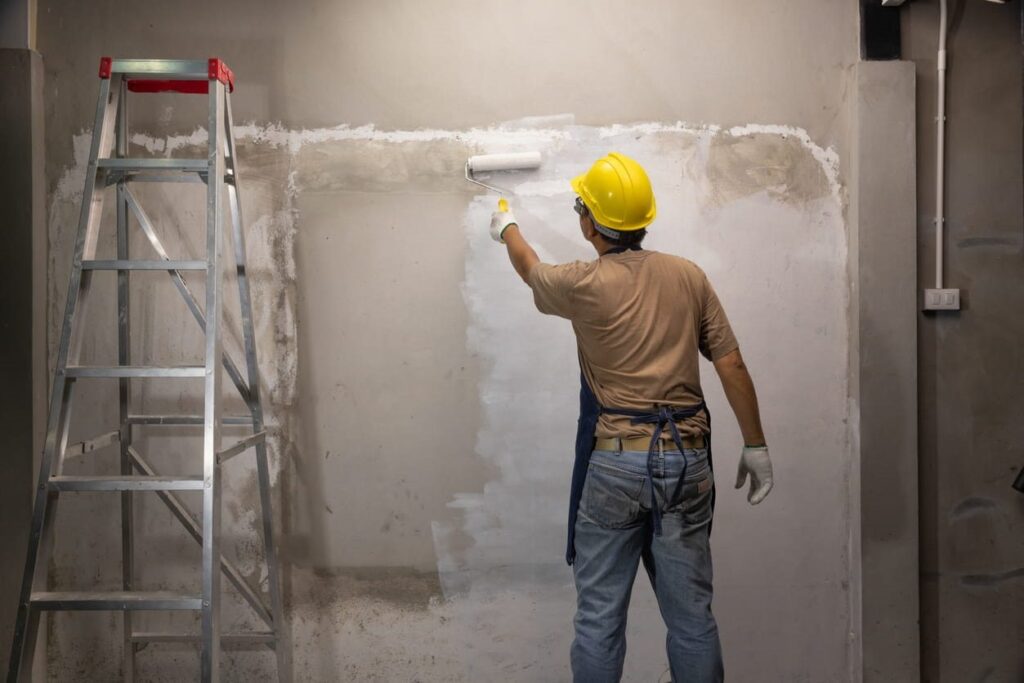
- Durability. Pros prep surfaces. They fix failures before paint. That prevents early peeling.
- Speed. A trained crew finishes in days, not weeks.
- Safety. Crews use ladders, lifts, respirators, and lead-safe methods.
- Cleanliness. Pros mask, cover, and contain dust.
- Moisture control. Crews identify leaks and mildew. They treat problems before paint.
- Permits and codes. Pros follow local rules for commercial work.
Real-world impact:
- A proper exterior scrape, prime, and topcoat in Cleveland can extend paint life to 8 to 12 years on wood. Poor prep often fails in 2 to 3 years.
- High-traffic interiors need scrubbable finishes. That reduces touch-ups by 30 to 50 percent over 3 years.
DIY vs. Professional Painting
When DIY works
- Small bedrooms or offices with sound walls.
- Accent walls with simple colors.
- Low ceilings and safe ladder access.
When to hire a pro
- Exteriors above one story.
- Trim, cabinets, or built-ins.
- Peeling, chalking, or lead paint.
- Water stains, nail pops, or drywall repairs.
- Commercial spaces with public traffic or strict hours.
Time and hidden costs
- DIY often runs 2 to 4 weekends per room.
- Tools, ladders, and drop cloths add cost.
- Rework doubles paint and time.
Hire painters in Cleveland Ohio when the scope includes safety risks, specialty coatings, or strict deadlines. You save time and avoid rework.
Interior Painting Advantages
- Health. Low or zero VOC paints improve indoor air quality.
- Cleanability. Satin and semi-gloss surfaces wipe clean.
- Light control. Color and sheen affect brightness and glare.
- Property value. Fresh paint improves buyer appeal.
- Protection. Paint seals drywall and trim against moisture.
Best rooms for quick value
- Entry and living areas. First impressions sell.
- Kitchen and bath. Moisture needs durable finishes.
- Trim and doors. Crisp lines lift the entire space.
Exterior Painting Benefits
- Weather defense. Paint blocks UV and moisture.
- Curb appeal. Color and contrast shape first impressions.
- Material life. Proper coating reduces rot and rust.
- Energy comfort. Light colors reflect heat.
Material-specific tips
- Wood. Prime bare wood with oil or bonding primer. Caulk gaps.
- Vinyl. Use vinyl-safe colors with low heat gain.
- Aluminum. Wash off chalking. Use acrylics made for metal.
- Brick. Use masonry primer. Consider mineral paints for breathability.
For complex exteriors, hire painters in Cleveland Ohio who understand freeze-thaw cycles, lake-effect moisture, and sun exposure on each elevation.
Commercial Painting Considerations
- Hours. Set off-hours or phased work to avoid downtime.
- Safety. Follow OSHA rules and fall protection.
- Coatings. Choose scuff, chemical, or moisture-resistant paints.
- Wayfinding and branding. Use color to guide traffic and reinforce identity.
- Scheduling. Coordinate with other trades and inspections.
Spaces that need specialty coatings
- Healthcare and schools. Antimicrobial or scrubbable finishes.
- Restaurants. Grease-resistant and washable coatings.
- Warehouses. Floor striping and epoxy systems.
- Retail. Fast-turn repaints before grand openings.
Cost vs. Value
Costs vary by size, surface, and prep. Value comes from durability, reduced maintenance, and stronger curb appeal.
| Project Type | Typical Cleveland Range | Main Drivers | Value Notes |
|---|---|---|---|
| Interior room (12×14) | $400 to $900 | Wall repairs, trim, ceiling height | Neutral colors help resale |
| Full interior (1,800–2,200 sq ft) | $3,500 to $8,000 | Number of colors, trim, patching | Plan in phases to reduce disruptions |
| Exterior 2-story wood siding | $5,500 to $12,000 | Scraping, priming, height | 8–12 year cycle with proper prep |
| Commercial office repaint (per sq ft) | $1.50 to $3.50 | Hours, coatings, furniture moves | Fast-turn work reduces downtime |
| Cabinet repainting (average kitchen) | $3,000 to $7,000 | Degreasing, sprayed finishes | High impact at lower cost than replace |
Choose painters in Cleveland Ohio who provide clear line-item estimates and explain prep steps. That clarity protects your budget.
Popular Paint Types and Finishes
Pick paint based on room use and surface needs. For a deep dive, see different types of paints explained.
| Paint Type | Best Use | Pros | Watch-outs |
|---|---|---|---|
| Interior acrylic latex | Walls and ceilings | Low odor, quick dry | Needs proper primer on stains |
| Alkyd waterborne | Trim, doors, cabinets | Hard finish, smooth leveling | Longer cure time |
| Masonry elastomeric | Stucco and block | Bridges hairline cracks | Requires dry substrate |
| Direct-to-metal acrylic | Metal railings and doors | Rust resistance | Needs clean, sound surface |
Sheen selection cheat sheet
- Flat or matte. Hides flaws. Use on ceilings and low-traffic walls.
- Eggshell. Balanced look. Use in living rooms and bedrooms.
- Satin. Wipes clean. Use in halls and kids’ rooms.
- Semi-gloss. Durable. Use on trim, doors, and baths.
- Gloss. High shine. Use for accents and specialty trim.
Seasonal Timing in Ohio
Weather sets the exterior schedule in Cleveland. Spring and fall often deliver the best conditions. Some modern paints cure at lower temps, but windows still matter. For more tips, read the Ohio seasonal painting guide.
| Season | Exterior Feasibility | Notes |
|---|---|---|
| March–April | Limited | Watch temps above 50 F and rain |
| May–June | Good | Stable temps, lower humidity |
| July–August | Good | Work early to avoid heat and storms |
| September–October | Excellent | Prime window for durability |
| November–February | Interior only | Exterior only on rare mild days |
Simple trend line: outdoor painting days by month
J  F  M  A  M  J  J  A  S  O  N  D
░  ░  ▒  ▒▒ ▓  ▓  ▓  ▓  ▓▓ ▓▓ ░  ░
Key: ░ poor  ▒ fair  ▓ good-to-excellent
Plan exteriors early. Book spring by late winter. Book fall by midsummer. For interior work, schedule anytime.
Surface Prep and Materials
Exterior prep steps
- Wash. Remove dirt, chalk, and mildew.
- Scrape and sand. Feather edges on failing areas.
- Repair. Replace rotten boards. Patch holes.
- Prime. Spot prime bare wood and stains.
- Caulk. Seal joints and trim gaps.
Interior prep steps
- Protect. Mask floors, counters, and fixtures.
- Repair. Fix drywall seams, nail pops, and dents.
- Prime. Seal stains and color shifts.
Materials checklist
- Quality paints from recognized brands.
- Exterior primers suited for substrate.
- Caulks rated for exterior movement.
- Roller naps matched to surface texture.
- Sprayers for large or detailed work when appropriate.
Hire painters in Cleveland Ohio who specify primers, caulks, and topcoats by name. Vague specs risk poor results.
Color Consultation and Design Choices
- Start with fixed features. Floors, counters, roof, and stone set limits.
- Balance light. Use lighter tones in small or dark rooms.
- Create flow. Carry a main neutral through halls and open areas.
- Use contrast. Pair light walls with crisp trim.
- Test. Place samples on multiple walls. Check at day and night.
Exterior color tips
- Match the neighborhood style code.
- Use body, trim, and accent for depth.
- Respect vinyl-siding heat limits.
Workmanship Standards and Warranties
Quality benchmarks
- Straight cut lines at ceilings and trim.
- No runs, holidays, or lap marks.
- Uniform sheen and coverage.
- Proper film thickness per manufacturer.
- Clean site and labeled touch-up cans.
Warranty norms
- Interior workmanship. 2 to 3 years.
- Exterior workmanship. 2 to 5 years with proper prep.
- Exclusions. Moisture intrusion, structure movement, and owner damage.
Ask for warranty terms in writing. Ask for a service process for touch-ups and callbacks.
Step-by-Step Painting Process
- Consultation. Walk the site. Set goals, colors, and schedule.
- Detailed estimate. Define scope, products, and prep.
- Color confirmation. Approve samples and sheen.
- Site protection. Move furniture. Cover and mask.
- Surface repairs. Patch, sand, prime.
- Application. Cut, roll, or spray with proper technique.
- Quality checks. Inspect coverage and lines.
- Cleanup. Remove masking. Sweep and vacuum.
- Final walk-through. Create punch list. Complete touch-ups.
- Closeout. Deliver warranty and care tips.
Average timelines
- Single room. 1 to 2 days.
- Full interior. 3 to 7 days based on size.
- Two-story exterior. 4 to 8 days based on prep.
Budgeting and Estimating Costs
Key cost drivers
- Prep level. Repairs and priming add time.
- Height and access. Ladders and lifts add labor.
- Number of colors. More colors add setup time.
- Finish type. Premium enamels and specialty coatings cost more.
Simple budgeting formulas
- Interior walls only. Room perimeter x height x 0.8 = wall area.
- Paint quantity. 350 sq ft per gallon per coat on smooth walls.
- Labor planning. 150 to 250 sq ft per painter-hour for walls.
Example: A 12×14 room with 8-foot ceilings has about 416 sq ft of wall. Two coats at 350 sq ft per gallon needs about 2.5 gallons. Add primer if the color changes.
Ways to save without cutting quality
- Group rooms to reduce setup time.
- Choose one main color with accent walls.
- Complete small drywall fixes before the crew arrives.
- Schedule in off-peak months for better availability.
Signs You Need Repainting
- Exterior peeling or blistering.
- Faded or chalky color on siding.
- Cracked caulking at joints and trim.
- Water stains, mildew, or musty odors.
- Scuffed hallways and doors that do not clean up.
- New ownership or tenant turnover.
Address early signs. Small repairs cost less than full failure.
How to Choose the Right Painting Company
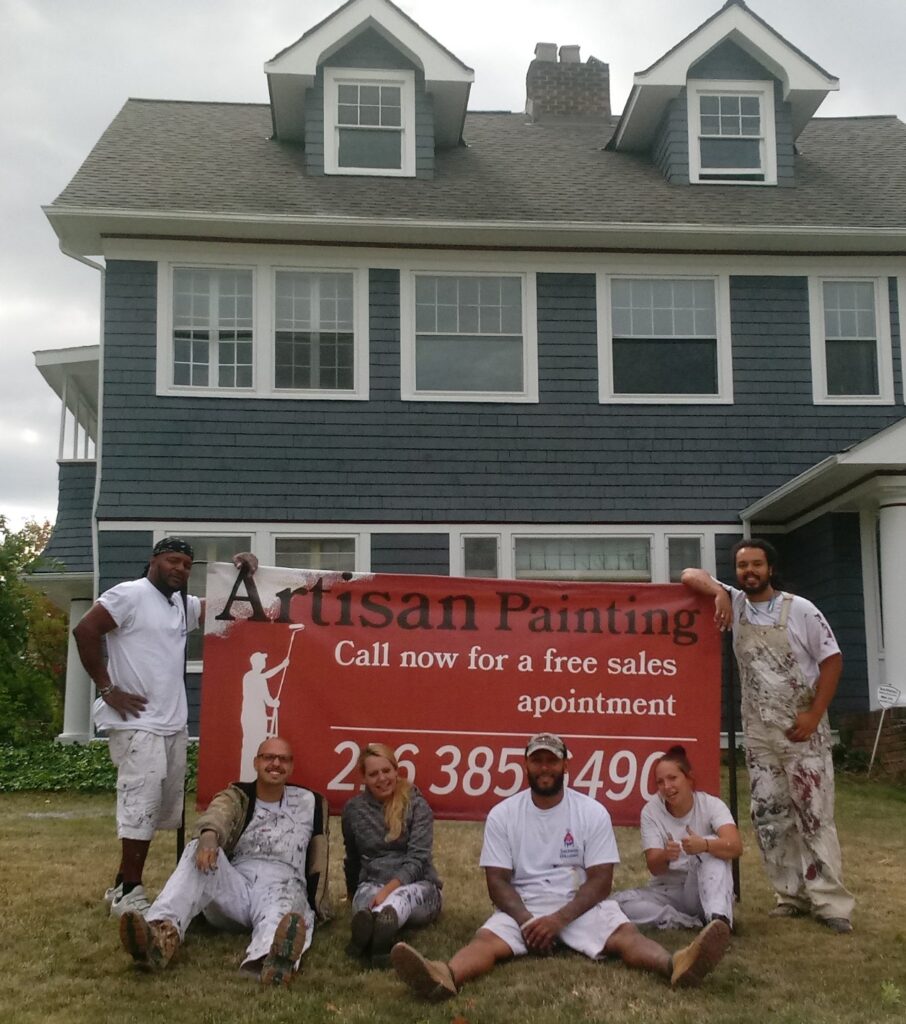
Checklist
- Local references with recent jobs.
- Clear scope, line-item pricing, and product list.
- Proof of insurance and, for commercial work, safety plan.
- Written schedule and site protection plan.
- Warranty in writing.
- Skilled crew, not just subcontractors you never met.
Vet the estimate
- Confirm square footage and room count.
- Verify prep steps and primer type.
- Ask about caulk brands and paint sheens.
- Review color change and number of coats.
Red flags
- Vague estimates with no prep notes.
- Lowest bid with unknown products.
- No local references.
painters in Cleveland Ohio
You face lake-effect weather, fast freeze-thaw cycles, and humidity swings. You need pros who plan around those forces. Work with painters in Cleveland Ohio who know which elevations take the most sun, which woods soak more primer, and which masonry paints breathe. You also need a crew that respects your time and space. Choose a team that sets daily goals, protects floors, and leaves rooms ready to use.
Local insights
- South and west faces fade faster. Plan extra prep on those sides.
- Older homes often hide lead paint. Hire EPA lead-safe certified crews.
- Lake moisture feeds mildew. Use mildewcides in exterior paints.
FAQs About Painting in Cleveland
How often should I repaint exteriors?
Wood siding lasts 8 to 12 years with good prep and paint. Fiber cement lasts 10 to 15. Vinyl depends on color stability. Dark colors wear faster.
Can you paint in cold weather?
Some paints allow down to 35 F surface temps. Check both air and surface. Watch dew points. Crews often schedule mid-day coats in colder months.
How long between coats?
Most interior acrylics need 2 to 4 hours. Exterior coatings often need 4 to 24 hours. Follow the label for temp and humidity.
What if I have lead paint?
Use an EPA lead-safe certified contractor. They contain dust, use HEPA tools, and follow strict cleanup.
What sheen works for bathrooms?
Satin or semi-gloss. They resist moisture and scrub marks.
Will paint fix water damage?
No. Fix the leak first. Then dry, repair, prime, and paint.
Do you move furniture?
Most pros move light furniture and cover large items. Ask for details in the estimate.
Conclusion
Professional painting protects your property, cuts maintenance, and lifts value. You gain clean lines, durable finishes, and a smooth process. You also save time. This guide showed how to plan scope, pick products, schedule around weather, and choose a contractor with clear standards. For a reliable quote and a clean job from start to finish in Cleveland and Brunswick, contact Artisan Painting today.
Schedule Your Free Estimate
Get a clear scope, fair pricing, and a firm schedule. Book your on-site consultation now.
Request an Estimate
