
Exterior Painting in Cuyahoga County: Shielding Your Home from Ohio Weather
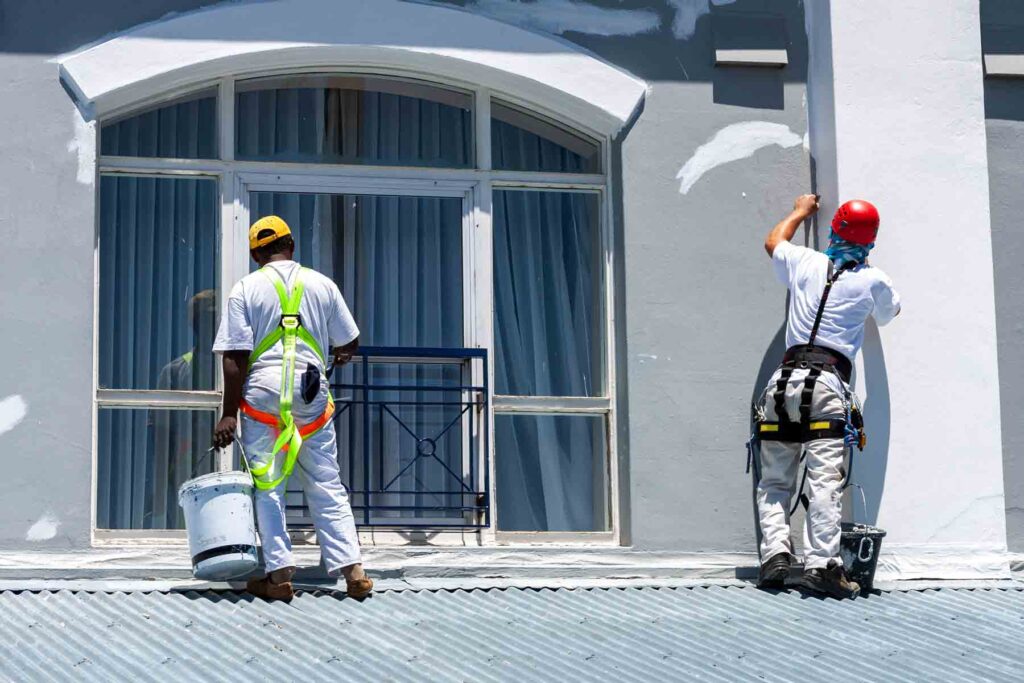
Summary
- Know how Ohio weather breaks down exterior paint and how to stop it
- See real costs, timelines, and what to expect from a pro crew
- Learn surface-specific prep, primers, and coatings that last
- Use checklists and charts to plan your next Exterior painters Cleveland repaint
Lake-effect snow, freeze-thaw cycles, and wet springs push your exterior to the limit in Cuyahoga County. Paint fails fast when prep and product selection miss local conditions. A smart plan protects your siding, trims your maintenance costs, and keeps curb appeal strong in every season. Partner with Artisan Painting for local expertise that matches Cleveland and Brunswick weather patterns.
Working with experienced painters in Cleveland Ohio helps you avoid early failure and costly touch-ups. Local crews understand how moisture, UV shifts, and older trim details affect adhesion and durability. Their prep standards keep surfaces stable through rapid temperature changes and give your exterior a longer, cleaner lifespan.
This guide gives you a clear plan for timing, materials, and hiring. You will see how weather affects paint, what it costs to do it right, and how to prepare your home or business for a clean, durable finish.
Why Does Exterior Painting Matter in Cuyahoga County?
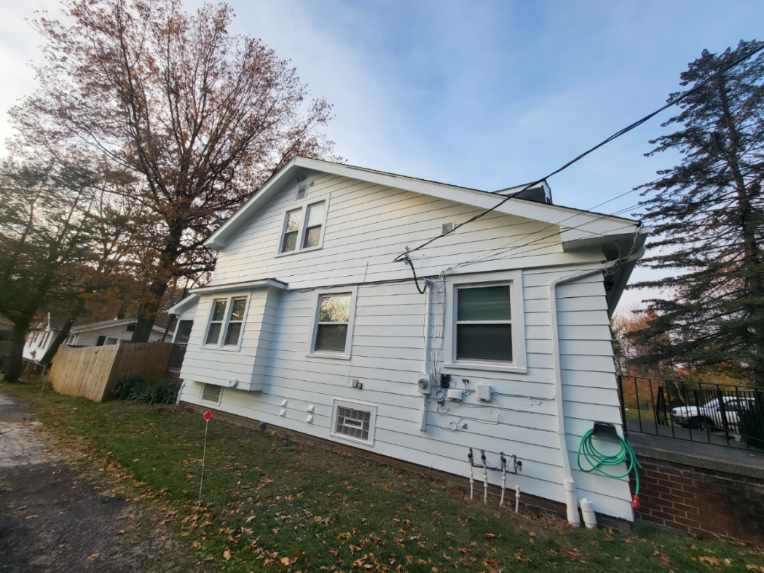
Paint does more than make your home look fresh. It seals the building envelope against water, UV, and wind. It reduces siding expansion and contraction. It protects wood, fiber cement, aluminum, and brick from moisture intrusion and rot. In Cuyahoga County, that protection matters because moisture swings and winter storms drive faster wear on exposed surfaces.
- Prevent water intrusion and wood rot
- Slow UV fading on south and west exposures
- Block freeze-thaw cracking on masonry
- Cut maintenance costs and protect resale value
How Does Ohio Weather Impact Exterior Paint?
Local weather hits exteriors from multiple angles. Plan for these forces when you pick products and schedules.
- Lake-effect snow loads add prolonged moisture against siding and trim
- Freeze-thaw cycles force joints to open and close, which cracks paint films
- Spring and fall humidity slows cure times and can trap moisture under paint
- Summer UV breaks down binders, causing chalking and color fade
- Wind-driven rain exposes weak caulk lines and unsealed end grains
Target these stress points with flexible caulks, breathable primers, and 100 percent acrylic topcoats. Schedule coats when temperatures sit within the manufacturer range and dew points allow proper dry times.
Interior vs. Exterior Paint Jobs: What’s the Big Difference?
Interior paints focus on washability and low odor. Exterior paints must survive weather and movement. That changes everything from prep to product.
- Resins and additives: Exterior paints use UV-resistant resins, mildewcides, and higher solids
- Flexibility: Exterior coatings flex more to handle temperature swings
- Breathability: Exterior primers allow moisture vapor to escape to reduce peeling
- Prep demands: Exteriors need washing, sanding, scraping, caulking, and spot priming on bare and weathered areas
Benefits of Professional Exterior Painting

- Correct surface diagnosis and product match
- Proper moisture readings and timing
- Clean edges, uniform film build, and tight caulk lines
- Safe staging, ladders, and fall protection
- Warranty support and documented scope
Pros also stage work around Cleveland’s volatile weather windows and plan for morning dew and evening temps. That detail boosts longevity.
How Often Should You Repaint Your Home’s Exterior?
Repaint cycles depend on substrate, color, sun exposure, and last job quality. Use these local averages as a guide.
- Wood siding and trim: 5 to 7 years on sunny faces, 7 to 10 years on shaded faces
- Fiber cement: 8 to 12 years
- Aluminum siding: 8 to 12 years
- Vinyl siding: 10 years or longer when coating with vinyl-safe, light to mid tones
- Brick and masonry paint: 8 to 12 years with breathable masonry systems
Dark colors absorb more heat and can shorten cycles on south and west walls. High trees and overhangs can extend cycles by reducing UV.
What Surfaces Need the Most Protection Outdoors?
- Horizontal trim boards and window sills collect water
- End grains on fascia, rake boards, and deck posts wick moisture
- South and west walls see the most sun and faster breakdown
- Masonry ledges hold snow and ice, which raises spall risk
- Metal railings and doors need rust-inhibitive primers
What’s the Cost of Exterior Painters in Cleveland?
Expect a wide range based on size, height, substrate, and prep needs. The numbers below reflect typical Cuyahoga County projects using premium 100 percent acrylic systems and full prep.
| Home Size and Scope | Typical Range | What It Includes |
|---|---|---|
| Small ranch or bungalow, light prep | $3,000 to $5,500 | Wash, scrape, caulk, spot prime, two finish coats on siding and trim |
| Two-story, average prep | $6,000 to $10,000 | Full wash, scrape, sand, caulk, prime bare areas, two finish coats |
| Large or complex elevations, heavy prep | $10,000 to $18,000+ | Historic wood, lead-safe methods if needed, repairs, specialty primers |
| Masonry repaint or limewash | $4,500 to $12,000 | Breathable coatings, crack repair, elastomeric or mineral systems |
| Aluminum or vinyl siding repaint | $3,500 to $9,000 | Bonding primers as needed, vinyl-safe colors, controlled application |
Season, access, and color changes also affect price. You can compare quotes from exterior painters Cleveland to confirm your scope and timeline.
Choosing Durable Paint for Ohio’s Seasons
Pick systems that handle moisture and movement. Focus on resin quality and film build.
- Use 100 percent acrylic exterior paints for flexibility and UV resistance
- Prime bare wood with slow-drying, penetrating primers that seal end grain
- Use bonding primers on chalky or glossy aluminum and vinyl
- Use elastomeric or high-build masonry coatings on stucco and block if hairline cracks exist
- Choose lighter colors on vinyl and sun-heavy walls to reduce heat load
- Use satin or low-sheen finishes on siding to shed water and hold color
Need help balancing color with durability and HOA rules in Cleveland or Brunswick neighborhoods? Review this local guide to smart selections: Choosing the Right Paint Colors for Your Ohio Home.
Hiring Professional vs. DIY: Pros and Cons
Professional
- Pros: Faster timelines, safer staging, warranty, correct primers, better film build
- Cons: Higher upfront cost
DIY
- Pros: Lower material-only cost, flexible schedule
- Cons: Slower prep, limited equipment, risk of early failure, no formal warranty
If you lack ladders, sprayers, or lead-safe training, hire a pro. You will save time and reduce risk.
How to Prep for an Exterior Paint Job
Good prep equals long life. Plan step-by-step and do not skip moisture checks.
- Materials: Exterior acrylic paints, specialty primers, quality caulk, sandpaper, scrapers, drop cloths, ladders, sprayer or rollers
- Washing: Soft wash to remove dirt, chalk, and mildew. Rinse well
- Dry time: Let surfaces dry fully to avoid trapping moisture under coatings
- Scraping and sanding: Remove loose paint. Feather edges for smooth transitions
- Patching: Use exterior fillers and epoxy repairs on rotted spots after removing soft wood
- Priming: Spot prime bare wood and all repairs. Use bonding or rust-inhibitive primers where needed
- Priming again: Seal end grains and high-absorption areas with a second primer coat
- Caulking: Use paintable, flexible caulk at joints and penetrations
- Staging: Set ladders and scaffolding for safe access to peaks and dormers
- Masking: Protect windows, lights, and landscaping before spraying or rolling
Should Businesses Also Repaint Exterior Walls?
Yes. Commercial properties face higher foot traffic, signage changes, and weather exposure. Fresh paint protects building materials and supports brand standards for retail, medical, and office spaces. See how pro planning improves curb appeal and tenant satisfaction here: Commercial Results for Every Business.
Step-by-Step: What to Expect from Exterior Painters
- Site visit and written scope with line-item prep and coatings
- Color and product confirmation with sheen and brand details
- Schedule based on weather windows and access
- Wash, scrape, sand, and repair
- Prime bare areas and specialty substrates
- Caulk joints and seal end grain
- Apply finish coats to target film build and coverage
- Detail work on doors, windows, and railings
- Final walk-through, touch-ups, and cleanup
- Care guide and warranty review
When you meet with crews from exterior painters Cleveland, ask for their daily plan and who supervises quality checks.
How to Choose Reliable Exterior Painters (Checklist)
- Local references from Cleveland, Brunswick, or nearby suburbs
- Photos of projects on your substrate type
- Proof of insurance and worker safety practices
- Written scope, brand and product list, and number of coats
- Moisture testing and weather scheduling plan
- Lead-safe certification for pre-1978 homes
- Warranty terms in writing
- Clear communication and single point of contact
Interview at least two teams. Compare apples-to-apples scopes from exterior painters Cleveland to confirm value, not just price.
What Are the Signs Your Home Needs Repainting Now?
- Peeling or flaking paint on sunny exposures
- Hairline cracks at joints and trim boards
- Chalking that leaves pigment on your hand
- Exposed wood fibers or soft spots
- Caulk failure around windows and doors
- Faded or blotchy color
Do not wait for widespread failure. Early intervention reduces prep time and cost.
How Long Does a Quality Job Last in Ohio?
Longevity depends on substrate, color, sun, and film build. Use these averages for Cuyahoga County when crews follow full prep and apply premium coatings.
| Surface | Typical Lifespan | Notes |
|---|---|---|
| Wood siding and trim | 7 to 10 years | Seal end grains and horizontal surfaces well |
| Fiber cement | 8 to 12 years | Holds paint well with proper priming |
| Aluminum siding | 8 to 12 years | Use bonding primers on glossy surfaces |
| Vinyl siding | 10+ years | Use vinyl-safe colors and lighter tones |
| Masonry coatings | 8 to 12 years | Use breathable systems to avoid peeling |
Regular washing and spot caulk extend these timelines. Schedule annual inspections after winter.
FAQ Section
What months work best for exterior painting in Cuyahoga County?
Late April through October offers the best windows. Aim for temperatures between 50 and 85 degrees and dry conditions. Watch dew points and avoid rain in the forecast.
Can crews paint when nights drop into the 40s?
Yes, if the product allows low-temperature cure and surfaces stay dry. Many modern acrylics cure at 35 to 40 degrees. Crews must time coats to finish before evening dew.
How long does a typical Cleveland exterior repaint take?
Most homes take 4 to 8 working days. Large or heavy-prep projects can run 10 to 15 days. Weather can add down days to protect quality.
Do I need to replace siding before painting?
Replace soft or rotted boards. Crews can patch small areas with epoxy. Paint cannot fix failing substrate. Fix issues first for a durable result.
How do I maintain the finish after painting?
Wash the exterior each spring. Check caulk lines and touch up damaged spots. Trim vegetation away from siding to reduce moisture and abrasion.
Will darker colors fail faster?
Dark colors absorb more heat. Expect quicker fade on sunny walls. Use high-quality tints and consider mid tones on south and west exposures.
Conclusion
Ohio weather tests every exterior. You can protect your home or business with thoughtful prep, the right primers and paints, and timing that fits our local climate. Plan a full scope, compare detailed proposals, and track weather windows for the best results. For reliable local guidance and a durable finish in Cleveland, Brunswick, and across Cuyahoga County, schedule a visit with Artisan Painting today.
Request Your Exterior Painting Estimate
