
The Best Time to Paint in Northeast Ohio: A Practical Guide for Homes and Businesses
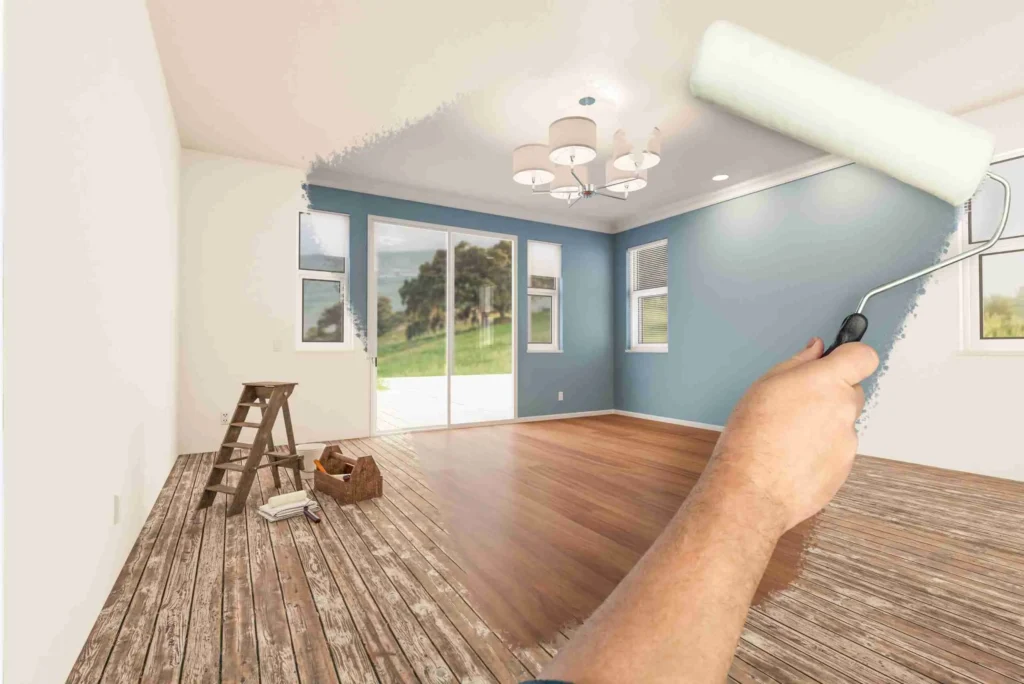
- Prime exterior window in Northeast Ohio is mid April through mid June and early September through late October.
- Target 50–85°F air and surface temps with low wind and no rain in the forecast.
- Book exterior work 4–8 weeks ahead in peak season. Book interiors year round.
- Choose materials rated for local humidity, UV, and freeze thaw cycles.
The Best Time to Paint in Northeast Ohio
Picking the right month can make the difference between a durable finish and a repaint that fails early. Northeast Ohio weather shifts fast, and Lake Erie adds wind, lake effect showers, and humidity. If you live or operate a business in Cleveland, Brunswick, or anywhere in Cuyahoga County, timing matters.
Working with experienced painters in Cleveland Ohio helps you navigate these seasonal challenges with precision. Local crews know how temperature swings, lake-effect moisture, and shifting dew points affect adhesion and cure times. Their insight helps you avoid timing mistakes, choose the right products for each season, and get a finish that holds up through Northeast Ohio’s unpredictable weather.
Homeowners and facility managers often ask when paint will cure best, how to avoid peeling, and what to do about spring rain or summer humidity. This guide breaks down the best painting windows, month by month, with clear steps you can use to plan. If you prefer a done for you approach with local expertise, Artisan Painting can assess your site and recommend the right schedule.
When Is the Best Time to Paint in Northeast Ohio?
Successful painting depends on temperature, humidity, wind, surface moisture, and sunlight. Most modern exterior acrylics perform best between 50°F and 85°F with relative humidity below 70 percent. You also want at least a 24 hour dry window after painting for initial cure. Use these Northeast Ohio guidelines as a baseline and confirm the can label for your specific product.
Spring
Mid April through mid June is the first prime window for exterior work. Days warm, nights moderate, and winds start to relax. Watch for spring rain systems and cool overnight lows that can drop surface temperatures below the paint’s minimum.
- Best for: siding repaints, trim, doors, light carpentry and paint, porch railings, deck cleaning and staining if the wood moisture content is acceptable
- Watchouts: frequent showers, cold nights below 45°F, pollen on horizontal surfaces
- Tips: schedule washing early. Paint after 10 a.m. when surfaces warm and dew evaporates
Summer
Late June through August can work well with planning. Heat and humidity increase. Afternoon pop up storms are common. Direct sun on dark colors can cause lap marks and blistering.
- Best for: exteriors on shaded or east facing elevations, metal railings, commercial block, warehouse interiors with ventilation
- Watchouts: high humidity slows dry times, surface temps above 90°F, fast drying in direct sun
- Tips: paint earlier in the day, follow the shade, and use slow dry or hot weather additives only when specified by the manufacturer
Fall
Early September through late October is the second prime window. Air is dry, temperatures are steady, and winds are moderate. This is an excellent time for longevity.
- Best for: full exterior repaints, trim refreshes, masonry coatings, commercial storefronts before the holiday rush
- Watchouts: shorter daylight, cold snaps at night, early frost in late October
- Tips: use products labeled for low temperature if nights trend cool. Finish by mid afternoon to protect against dew
Winter
December through February is interior season. Exterior only works during rare warm spells with products rated for low temperature. Focus on interior repainting when schedules are flexible and pricing can be favorable.
- Best for: interior walls, ceilings, trim, cabinets, office repaints, retail refresh during slower months
- Watchouts: low humidity can cause fast drying and lap marks. Cold entryways can affect finish near doors
- Tips: keep indoor temps stable. Use proper ventilation and choose low odor, low VOC products for occupied spaces
Summary Chart: Ideal Painting Months
| Month | Exterior Rating | Interior Rating | Notes |
|---|---|---|---|
| January | Not recommended | Excellent | Interior season |
| February | Not recommended | Excellent | Interior season |
| March | Caution | Excellent | Variable temps, showers |
| April | Good | Excellent | Prime starts mid month |
| May | Best | Excellent | Stable temps, plan around rain |
| June | Best | Good | Warm, schedule mornings |
| July | Good | Good | Heat and humidity |
| August | Good | Good | Late month improves |
| September | Best | Excellent | Dry, steady temps |
| October | Best | Excellent | Finish before first frost |
| November | Caution | Excellent | Cold snaps, short days |
| December | Not recommended | Excellent | Interior season |
Weather Trends in Cuyahoga County
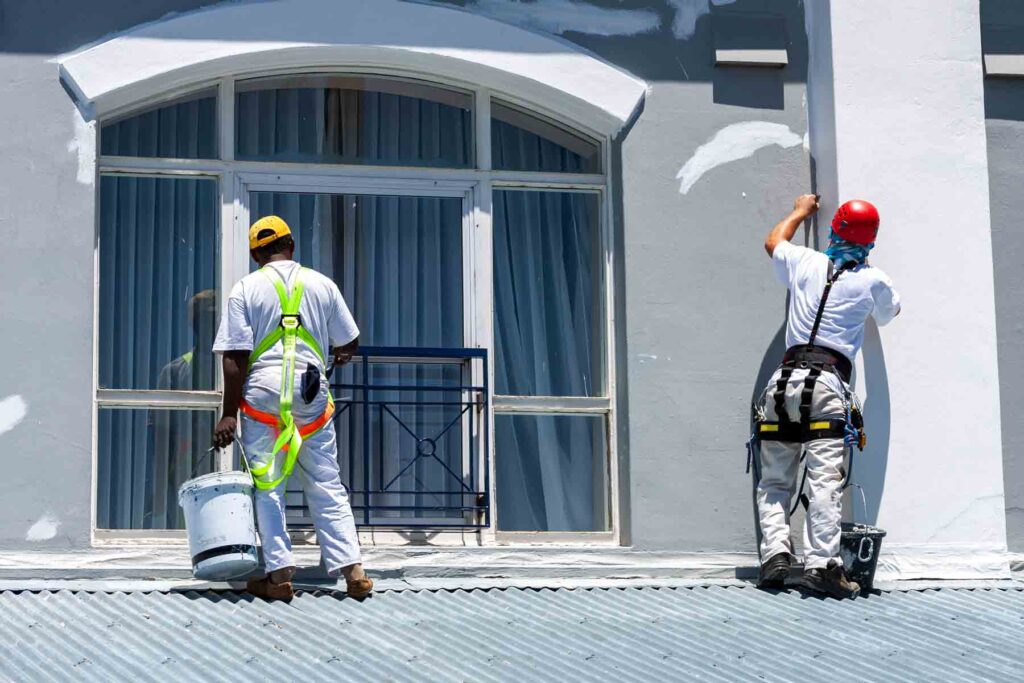
Cuyahoga County weather includes lake effect clouds, frequent spring showers, humid summers, and crisp fall days. Here are typical seasonal averages. Use them to plan your schedule, then verify with a short term forecast before you paint.
| Season | Avg High °F | Avg Low °F | Avg Monthly Precipitation (inches) |
|---|---|---|---|
| Winter (Dec Feb) | 35 | 22 | 2.4 |
| Spring (Mar May) | 55 | 38 | 3.2 |
| Summer (Jun Aug) | 79 | 63 | 3.7 |
| Fall (Sep Nov) | 61 | 45 | 3.3 |
How these trends affect your results:
- Temperature: Paint binds best within its rated range. Cold slows cure and can cause surfactant leaching. Excess heat can flash dry and cause lap marks
- Humidity: High humidity slows water based coatings. Allow longer recoat windows to prevent blocking or print through
- Precipitation: Rain within the first 12 to 24 hours can mark or wash off new paint. Avoid any chance of rain on fresh coatings
- Wind: Wind increases evaporation and overspray risk. It can drive dust onto wet paint
Pros and Cons of Painting by Season
| Season | Advantages | Disadvantages |
|---|---|---|
| Spring | Moderate temps. Good adhesion. Early curb appeal boost | Frequent rain. Cool nights. Pollen cleanup required |
| Summer | Long daylight. Fast schedules possible | Heat and humidity. Afternoon storms. Sun exposure issues |
| Fall | Dry air. Stable temps. Strong durability outcomes | Short days. Early frost risk late in season |
| Winter | Interior availability. Flexible scheduling. Fewer business disruptions | Exterior work limited. Ventilation planning needed for interiors |
Seasonal Painting Jobs for Exterior vs. Interior
Matching the right project to the right season produces better results and reduces callbacks. Use the lists below to plan your calendar in Cuyahoga County.
Exterior Projects
- Siding and trim repainting. Best in May, June, September, and October
- Stucco, brick, and block coatings. Best in late spring and early fall.
- Deck cleaning, staining, and railing paint. Best in late spring through early fall, timed to moisture content. See our guide to deck and fence services in Cleveland
- Metal handrails and light poles. Best in spring and fall to control surface temperatures
- Commercial facades and storefronts. Schedule after hours or shoulder season for less traffic
If you are evaluating seasonal painting Cuyahoga County options for exterior work, start with a moisture and substrate assessment. Wood, masonry, and metal behave differently in our climate.
Interior Projects
- Whole home repaints during winter or late summer when exterior crews are booked
- Office and retail repaints after hours or during off peak retail cycles
- Ceiling and trim refresh in winter when humidity is low and drying is consistent
- Cabinet refinishing with controlled shop or onsite setup
For interiors, seasonal painting Cuyahoga County planning focuses on occupant comfort, ventilation, and product selection. Low odor coatings and quick return to service can keep your household or business running.
Facility managers coordinating multi site work across Cleveland and Brunswick should build a rolling calendar. Schedule exteriors in spring and fall. Fill summer with shaded elevations and interiors with AC. Use winter for interiors and maintenance punch lists tied to seasonal painting Cuyahoga County goals such as lease turnovers and pre sale refresh.
How Weather Affects Painting Materials
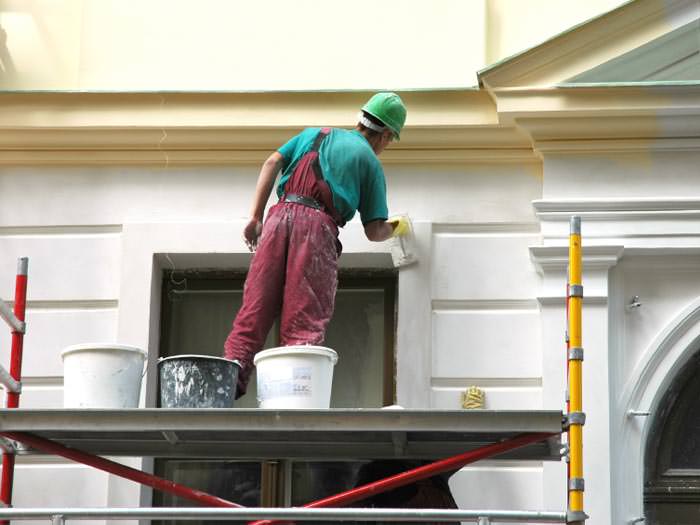
Each substrate responds to Northeast Ohio weather in specific ways. Understanding the effects helps you choose the right products and schedule.
Humidity
- High humidity slows the evaporation of water based paints and stains
- Allow longer recoat times to avoid tacky surfaces and blocking
- For interior work, use dehumidifiers and ventilation to control RH below 60 percent
Wind
- Wind accelerates surface drying and can cause lap marks
- Overspray risk increases near vehicles, windows, and landscaping
- Use shields and work in smaller sections to maintain a wet edge
Rain
- Rain within 12 to 24 hours can streak or wash off uncured paint
- Power washing before painting requires dry time. Wood decks may need several dry days to reach acceptable moisture content
- Plan deck and fence work with moisture testing. See our deck and fence painting and staining guidance
Sunlight and Surface Temperature
- Dark colors on sunlit siding can push surface temperatures above 90°F
- Follow the shade across the building to keep temps in range
- Low temperature acrylics can extend the season into late fall when nights cool down
How to Plan Your Painting Project
Good planning locks in the best weather windows and crew availability. Use these steps for Cleveland, Brunswick, and surrounding areas.
Lead Times
- Exteriors April to June: contact painters 6 to 8 weeks before your target start
- Exteriors September to October: contact 4 to 6 weeks ahead
- Interiors year round: 1 to 4 weeks lead time. Shorter in winter
- Commercial projects: 6 to 10 weeks to allow for approvals, phasing, and off hours scheduling
Scheduling Factors
- Substrate repairs: wood rot, caulking, and masonry fixes add time upfront
- Color changes: drastic color shifts may require extra coats
- Access and logistics: lifts, traffic control, tenant coordination, and staging
- Weather buffers: build one to two rain days into your plan
Pre Job Checklist
- Confirm product specs and temperature ranges on each can label
- Review forecast for daytime and overnight temperatures plus dew point
- Plan pressure washing and drying time, especially for decks and masonry
- Protect landscaping, vehicles, and adjacent properties
Warranties and Quality Work
Reliable paint jobs start with surface prep, correct product selection, and proper application within weather limits. Reputable contractors document these steps and back their work with clear warranties. Understand coverage terms such as workmanship period, materials, exclusions for substrate failure, and maintenance responsibilities. For a local perspective, read this guide on what Ohio homeowners need to know about painting company warranties.
Ask for a detailed scope that lists prep steps, primers, finish coats, application methods, and expected schedule. Confirm that the crew will monitor surface temperatures, humidity, and rain windows. These controls matter more than any single brand of paint.
FAQs about Seasonal Painting in Northeast Ohio
What temperature is too cold for exterior paint?
Most exterior acrylics need air and surface temperatures of at least 50°F during application and for the first 24 hours. Some low temperature acrylics can be applied down to 35°F. Always follow the label and watch the overnight forecast. If the surface drops below the minimum, cure slows and adhesion can suffer.
Should I paint my home before selling it?
Yes if the current finish is faded, peeling, or dated. Fresh curb appeal can increase showings and help the home appraise cleanly. Focus on the front elevation, entry door, garage door, and first impression rooms. Choose neutral, market friendly colors and durable satin or semi gloss on trim. Schedule the work in spring or fall for the best exterior results.
Can I paint in winter?
Yes for interiors. Keep the space at a steady 65–75°F. Use low odor, low VOC coatings for occupied homes and offices. Exterior painting in winter is not advised unless a warm spell aligns with products rated for low temperatures and the surface stays within specification for the full cure window.
Your Best Window to Paint
For Northeast Ohio, the best exterior results happen in mid spring and early fall with fair weather, steady temperatures, and controlled humidity. Summer works with smart scheduling and product selection. Winter is ideal for interior upgrades that prepare your property for the busy season. To get a plan tailored to your surfaces and schedule in Cleveland and Brunswick, connect with Artisan Painting for a site review and estimate.
Ready to Schedule Your Seasonal Painting Project?
