
Paint Types and Finishes Explained for Cleveland Homes
Summary
- What sheen does and why it matters for durability and look
- Interior and exterior finish options with clear use cases
- Best finishes by room and surface in Northeast Ohio
- How Cleveland climate affects paint choices and maintenance
- Costs, testing tips, and how pros solve common finish issues
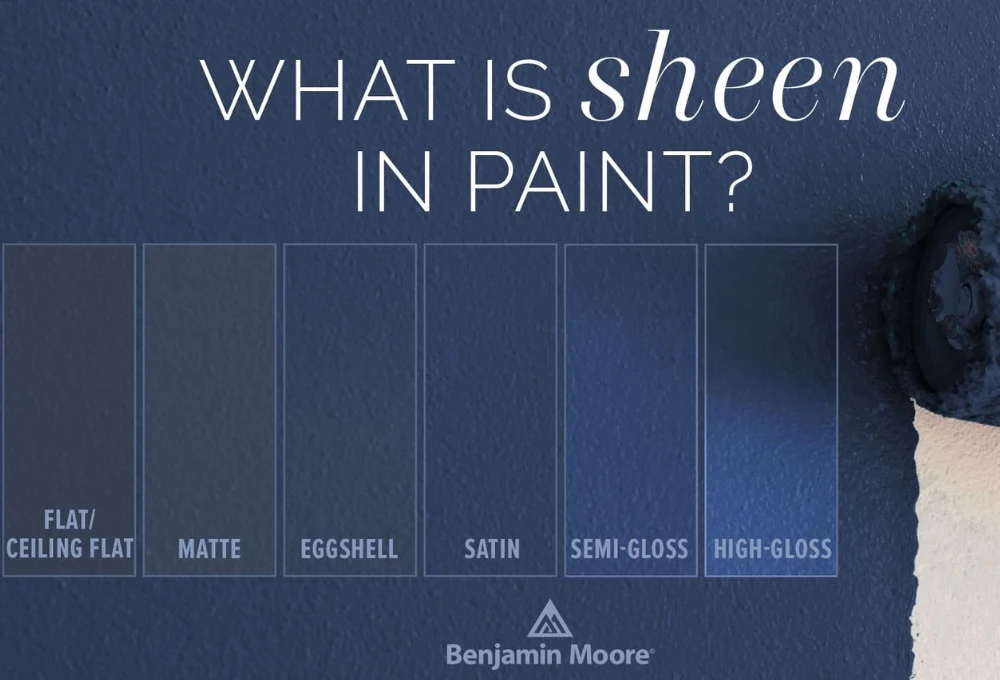
Choosing the right paint finish is as important as choosing the color. The sheen you pick affects how your rooms look, how long the paint lasts, and how easy it is to clean. It also changes how your exterior handles Cleveland weather.
This guide explains interior and exterior paint finishes in clear terms. We cover the best uses in each room, how to handle humidity near Lake Erie, and how to control costs. If you want expert help or a precise spec for your home, Artisan Painting serves Cleveland, Brunswick, and nearby communities with professional recommendations and installation.
Why Paint Quality and Finish Matter
Finish controls both performance and appearance. Here is why it matters:
- Durability. Higher resin content in many satin and semi gloss products improves stain resistance and scrubbability.
- Appearance. Sheen changes light reflection. Flat hides surface defects. Gloss highlights detail on trim and doors.
- Cleanability. Glossier finishes resist moisture and stains better. They clean faster and withstand more scrubbing.
- Moisture control. Bathrooms, kitchens, and basements in Cleveland need finishes that tolerate steam and wiping.
- Longevity. The right finish can extend repaint cycles. That saves time and money.
Types of Interior Paint Finishes
Each interior finish has tradeoffs. Use this table for quick reference.
| Finish | Sheen level | Look | Cleanability | Best uses | Avoid when |
|---|---|---|---|---|---|
| Flat or Matte | Very low | Soft, hides flaws | Low to medium | Ceilings, low traffic rooms, older plaster | High humidity or heavy traffic |
| Eggshell | Low | Velvety, subtle sheen | Medium | Living rooms, bedrooms, dining rooms | Kids rooms with heavy wear |
| Satin | Low to medium | Smooth, slight glow | Medium to high | Hallways, family rooms, kids rooms, kitchens | Walls with many imperfections |
| Semi gloss | Medium to high | Noticeable shine | High | Trim, doors, cabinets, baths, laundry | Uneven drywall or rough surfaces |
| High gloss | High | Mirror like on smooth prep | Very high | Accent doors, furniture, modern trim | Any surface without premium prep |
Flat or Matte
- Great at hiding texture and patchwork.
- Touch ups blend well.
- Use on ceilings or low wear walls.
- Choose higher quality washable matte if you want a flat look in active rooms.
Eggshell
- Balanced look and cleanability.
- Common default for living spaces.
- Works in most homes with moderate traffic.
Satin
- Better cleaning than eggshell. Slightly more sheen.
- Good in hallways, kids rooms, and kitchens with frequent wipe downs.
- Shows roller marks more than eggshell if application is poor.
Semi Gloss
- Durable and moisture resistant.
- Standard for trim, doors, and bathrooms.
- Highlights surface defects. Prep must be smooth.
High Gloss
- Very reflective and design forward.
- Needs excellent surface prep and spray or fine finish tools.
- Often used for focal points, not entire rooms.
Best Finishes for Different Rooms and Surfaces
Match the finish to how you use the space and how much cleaning it will need.
| Room or surface | Recommended finish | Why |
|---|---|---|
| Living room | Eggshell or Satin | Balanced look with reasonable cleanability |
| Bedrooms | Eggshell | Soft look and easy touch ups |
| Kids rooms | Satin | Better stain resistance and scrubbing |
| Hallways and stairwells | Satin | Handles scuffs and frequent cleaning |
| Kitchen walls | Satin or Semi gloss | Resists grease and moisture |
| Bathroom walls | Satin or Semi gloss with mildew resistant paint | Tolerates steam and wiping |
| Ceilings | Flat | Hides seams and texture |
| Trim and doors | Semi gloss or High gloss | Durability and crisp detail |
| Cabinets | Semi gloss or Satin urethane enamel | Hard finish and smooth look |
| Basement walls | Eggshell or Satin with masonry rated or moisture tolerant products | Handles incidental dampness and cleaning |
Color matters too. Dark colors look glossier. If you plan very dark walls in high light areas, consider dropping one sheen level to reduce glare.
For help pairing finishes with color, see this guide on choosing the right paint colors for your Ohio home.
Types of Exterior Paint Finishes and Their Applications
Exterior coatings face UV, moisture, and freeze thaw cycles. Finish selection affects how your home looks and how long it lasts.
| Exterior finish | Look | Best uses | Notes |
|---|---|---|---|
| Flat or Matte | Non reflective | Older wood siding, stucco, masonry | Hides flaws but holds more dirt. Use quality 100 percent acrylic. |
| Low sheen or Low luster | Subtle sheen | Fiber cement, wood, brick, stucco | Good balance of hiding and cleanability. |
| Satin | Smooth, slight glow | Most modern siding, garage doors | Resists dirt better. Shows lap marks if application is poor. |
| Semi gloss | Noticeable shine | Trim, fascia, doors, shutters, metal | Harder, more stain resistant. |
| High gloss | Very reflective | Accent front doors and metal railings | Requires careful prep and often spray for best look. |
Substrate specific notes
| Surface | Recommended finish | Key considerations |
|---|---|---|
| Vinyl siding | Low sheen or Satin | Use vinyl safe colors to avoid warping. Clean well before coating. |
| Fiber cement | Low sheen or Satin | Prime cut ends. Quality acrylic topcoat for moisture resistance. |
| Wood siding | Low sheen or Satin | Spot prime bare wood. Watch for tannin bleed on cedar. |
| Aluminum siding | Low sheen | Clean and lightly scuff. Use bonding primer if chalky. |
| Brick and masonry | Flat or Low sheen masonry paint | Allow new masonry to cure. Use breathable coatings or elastomeric where hairline cracks exist. |
| Front doors | Semi gloss or High gloss | Enamel or urethane modified acrylic for durability and leveling. |
Specialty Paints for Ohio Conditions
- Mildew resistant interior bath and kitchen paints. Reduce growth in humid rooms.
- Low VOC or Zero VOC paints. Better indoor air quality during long Cleveland winters with windows closed.
- Urethane enamel for cabinets and trim. Hard, block resistant finish that cures well in cooler seasons.
- Porch and floor paints. Formulated for abrasion and seasonal movement.
- Masonry waterproofers. Help manage damp basements and foundation walls.
- Elastomeric coatings. Bridge minor exterior hairline cracks on stucco or masonry.
- Stain blocking primers. Control nicotine, water spots, or wood tannins.
- Bonding primers. Improve adhesion on glossy or unknown surfaces.
- Rust inhibitive metal primers. Protect railings, fences, and metal doors from salt and moisture.
How Cleveland’s Climate Impacts Paint Finish Choices
Cleveland brings lake effect humidity, frequent freeze thaw cycles, and rapid spring and fall swings. Finishes must tolerate moisture, temperature change, and cleaning.
| Season | Main risk | What to do |
|---|---|---|
| Winter | Dry indoor air and cold exterior | Use low VOC products for interior work. Allow longer cure time. Avoid exterior painting when temperatures drop below label limits. |
| Spring | Rain and temperature swings | Choose exterior acrylics with good flexibility. Schedule exterior work after surfaces dry 24 hours. |
| Summer | High humidity near the lake | Use mildew resistant paints for baths and shaded exteriors. Watch for surfactant leaching on fresh paint if nights are damp. |
| Fall | Leaf debris and cool nights | Clean surfaces before painting. Use products rated for low temperature application when needed. |
Indoor humidity snapshot for Greater Cleveland homes
Target 35 to 50 percent relative humidity indoors. Higher humidity makes flat paints more prone to burnishing when wiped. Lower humidity can cause faster drying and lap marks if you cut and roll slowly.
| Room | Typical RH in season | Impact on finish | Adjustment |
|---|---|---|---|
| Bathroom after shower | 60 to 80 percent | Flat paints spot and streak | Use Satin or Semi gloss bath rated paint |
| Kitchen while cooking | 50 to 65 percent | Grease and moisture stress | Use Satin or Semi gloss with scrubbable resin |
| Basement | 50 to 70 percent | Mildew risk and efflorescence | Use masonry safe coatings and dehumidification |
These conditions are why paint finishes Cleveland homeowners choose should combine cleanability, moisture resistance, and a look that fits each space.
Tips for Cleaning and Maintaining Different Finishes
- Use mild soap and water for most walls. Avoid harsh abrasives.
- Start with a soft sponge. Move to a microfiber cloth if needed.
- Rinse with clean water. Pat dry to prevent watermarks.
- For flat or matte walls, dab instead of scrubbing. Consider touch up if marks persist.
- For satin and semi gloss, use a gentle circular motion. Do not use magic erasers on dark colors. They can burnish the sheen.
- Trim and doors in semi gloss can handle stronger cleaners. Test a hidden area first.
- Run bath fans 20 minutes after showers. Keep kitchen hoods running while cooking.
- Dust baseboards and window sills monthly. Dirt buildup makes cleaning harder later.
- Keep leftover labeled paint for touch ups. Note date, room, and sheen on the can.
Cost Comparisons of Finishes
Finish can shift cost per gallon and total cost of ownership. Higher sheen products often contain more resin. That can raise price but reduce repaint frequency in high wear areas.
| Interior finish | Typical cost per gallon range | Coverage per gallon | Estimated material cost per 1000 sq ft, 2 coats |
|---|---|---|---|
| Flat | $25 to $60 | 350 to 400 sq ft | $125 to $340 |
| Eggshell | $30 to $70 | 350 to 400 sq ft | $150 to $400 |
| Satin | $35 to $80 | 325 to 400 sq ft | $175 to $490 |
| Semi gloss | $40 to $90 | 300 to 375 sq ft | $215 to $600 |
| High gloss | $45 to $100 | 250 to 350 sq ft | $260 to $800 |
Exterior acrylics for siding often range $45 to $90 per gallon. Trim enamels can run $50 to $110. Labor is the larger cost driver. The right finish selection can add years to repaint cycles, which lowers total cost over time.
Check the warranty on the specific product line. Coverage varies by manufacturer and conditions. For context on workmanship and coverage, see our overview of what to know about painting company warranties in Cleveland.
How to Test a Finish Before Committing
- Buy sample quarts in two sheen levels. For example eggshell and satin.
- Make 2×2 foot sample boards with a primer base. Roll two coats with the same roller you plan to use.
- Hold samples on the wall at multiple times of day. Check in natural and artificial light.
- Do a wipe test after 7 days of cure. Use mild soap on a small mark.
- In a bathroom, run a hot shower. See how condensation affects each sample after drying.
- Place one sample near the busiest area. Wipe weekly for two weeks to mimic real use.
- If you cannot test boards, paint a small, low visibility section of the room and live with it for a week.
This simple process helps ensure the paint finishes Cleveland homeowners choose perform as expected before buying full quantities.
Common Finish Issues and How Pros Solve Them
| Issue | Likely cause | Pro solution |
|---|---|---|
| Flashing or uneven sheen | Spot priming only, uneven porosity, poor cut and roll timing | Prime full wall or use a high build primer. Maintain a wet edge and back roll. |
| Lap marks | Rolling over drying paint or working in heat | Work in smaller sections. Keep a wet edge. Add extender if recommended. |
| Burnishing | Scrubbing flat paints or rubbing high traffic spots | Use eggshell or satin in traffic areas. Clean with gentle pressure. |
| Surfactant leaching | High humidity and cool nights on fresh paint | Allow gentle wash after a week. Future coats in drier weather if possible. |
| Orange peel or heavy roller texture | Wrong roller nap or thick application | Use correct nap. Back roll evenly. Thin only per label. |
| Blocking on doors or windows | Soft film, heavy coats, short cure time | Use enamel for trim. Apply thinner coats. Allow full cure before closing. |
| Tannin bleed on cedar | Water soluble tannins pulled through | Prime with stain blocking primer. Allow proper dry time. Finish with two coats. |
| Mildew on bath walls | Poor ventilation or wrong finish | Mildew resistant satin or semi gloss. Improve ventilation and cleaning routine. |
| Peeling on masonry | Moisture pressure or wrong coating | Diagnose moisture. Use breathable masonry paint or waterproofing system. |
FAQs
Which interior finish is easiest to keep clean?
Semi gloss is easiest, followed by satin. Eggshell cleans well in most living spaces without the shine of gloss.
Will satin show wall imperfections?
Satin can highlight uneven drywall compared to eggshell or flat. If your walls have patches, consider eggshell or use more prep to level the surface.
Is flat paint ever washable?
Premium washable matte products exist. They are more forgiving than traditional flat. Test first if you expect frequent scrubbing.
What finish is best for Cleveland bathrooms?
Use satin or semi gloss with a mildew resistant formula. Run your bath fan during and after showers to protect the film.
What finish should I use on trim and doors?
Semi gloss is the standard for durability. High gloss can look great on feature doors if your prep is perfect.
Do darker colors change sheen?
Yes. Dark colors look glossier under the same formula. You may drop one sheen level to avoid glare.
What exterior finish lasts longest?
Quality 100 percent acrylic in low sheen or satin lasts well on siding. Semi gloss performs best on trim and doors due to higher resin content.
How many coats do I need?
Two topcoats over primer is common for new colors or surface changes. Same color repaints can sometimes get by with one coat if coverage is strong, but two coats give more even sheen and durability.
Putting It All Together for paint finishes Cleveland
Use this simple framework to decide:
- Low wear walls. Eggshell for a balanced look. Flat on ceilings.
- High traffic walls. Satin gives better cleanability without too much shine.
- High moisture rooms. Satin or semi gloss with mildew resistant technology.
- Trim, doors, and cabinets. Semi gloss or urethane enamel for a hard film.
- Exteriors. Low sheen or satin for siding. Semi gloss for trim and doors.
When you combine the right finish with solid prep and proper application, you get a durable, attractive result that lasts in Ohio weather. That is the core of paint finishes Cleveland homeowners can rely on.
Conclusion
Finish selection drives how your home looks day to day, how easy it is to clean, and how well it stands up to Cleveland humidity and temperature swings. Choose flatter sheens to hide flaws, satin for busy spaces, and semi gloss where moisture and cleaning are constant. Test samples in your own light. Use mildew resistant products in baths and basements. Protect exterior trim with semi gloss. Check warranties and plan for long term maintenance.
If you want guidance or a complete, room by room specification, schedule a visit with Artisan Painting. We can recommend the exact products and finishes for each surface in your Cleveland or Brunswick home.
Ready to Talk Paint Finishes for Your Cleveland Home?
