
The Artisan Difference: Craftsmanship and Care in Every Cleveland Project

Summary
- Clear standards that separate true craftsmanship from quick paint jobs
- Residential and commercial checklists for Artisan Painters Cleveland and Cuyahoga County
- Cost factors, scheduling windows, and seasonal timing that impact results
- How to read estimates, compare DIY vs. pro, and ask the right contract questions
- Prep, process, and follow-through steps that protect your investment
Introduction
Your property deserves more than a fresh coat. It needs a system that protects surfaces, looks clean, and holds up in Cleveland weather. That takes careful prep, proven process, and skilled application. It also takes a partner who respects your home or business, your time, and your budget.
The right team will demonstrate quality in every step. From dust control to straight cut lines to a durable finish that resists scuffs and moisture. If you want a job that lasts, you need a company known for consistent standards and skilled crews. Artisan Painting serves Cleveland, Brunswick, and the wider Cuyahoga County area with that level of care.
Working with experienced painters in Cleveland Ohio ensures your project is built on methods that stand up to Northeast Ohio’s moisture, temperature swings, and lake-effect patterns. Local crews understand how these conditions affect adhesion, drying times, and long-term durability. Their insight helps you get a finish that stays clean, sharp, and stable long after the job is done.
Use this guide to understand what sets real professionals apart, how to evaluate proposals, and how to plan your project around local conditions. You will see how to spot quality on day one and years later.
Why Craftsmanship Sets Real Professionals Apart
Craftsmanship is not a buzzword. It is the sum of habits that create predictable, durable results. When you search for artisan painters Cleveland, look for consistent standards in seven areas.
- Surface diagnosis. Pros identify substrate issues early. That includes checking moisture, chalking, sheen, and previous coatings.
- Prep discipline. Clean, mask, sand, and prime as needed. No shortcuts.
- Product pairing. Match coatings to substrates and use proper primers. Use manufacturer systems for adhesion and longevity.
- Application control. Correct mil thickness, straight cut lines, uniform sheen, and even coverage.
- Safety and protection. Use dust control, PPE, and floor protection. Keep spaces safe and clean.
- Communication. Clear schedules, change-order transparency, and documented scope.
- Follow-through. Punch lists, walkthroughs, and service after completion.
Teams that focus on these steps deliver a smoother finish and a longer repaint cycle. That protects resale value, brand standards, and maintenance costs over time. This is what separates true professionals from low-bid, high-risk crews.
Residential Excellence: What Quality Should Look Like
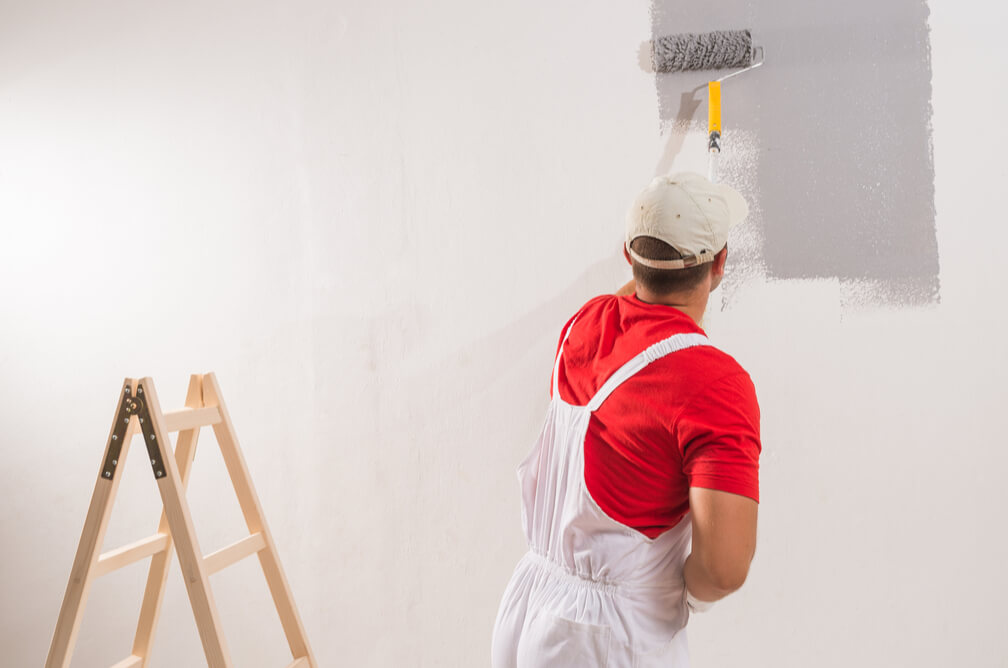
Homeowners in Cleveland and Cuyahoga County should expect a clean site, consistent finish, and no surprises. If you are comparing artisan painters Cleveland, judge them by what you see and what you do not see.
Interior Standards
- Walls. Uniform color and sheen. No flashing or lap marks. Tight cut lines and corners.
- Trim and doors. Smooth to the touch with no visible brush marks. Caulked joints with straight lines.
- Ceilings. Flat, consistent sheen with no roller marks or holidays.
- Repairs. Drywall repairs flush and invisible after paint. No texture mismatch.
- Clean workspace. Floors covered. Furniture protected. Dust controlled.
Exterior Standards
- Prep. Power washing where appropriate. Hand scraping and sanding loose paint to solid edges.
- Priming. Bare and repaired areas primed with compatible primers.
- Caulking. Flexible, paintable caulk at joints, trim, and penetrations. No gaps.
- Application. Full coverage and the right film build. Crisp edges at trims and fixtures.
- Protection. Landscaping and hardscapes protected. No overspray or drips.
A careful team will explain each step before work starts. You should know what rooms will be done first, and when. They should provide a daily cleanup routine and a final walkthrough plan.
Signs of Quality Work on Walls and Surfaces
- Straight lines at ceilings and trim that do not wander
- No nail pops or unfilled holes visible after completion
- Consistent sheen from wall to wall under natural and artificial light
- Even stain blocking with no tannin bleed on wood
- Uniform spray pattern or brush consistency without sags or runs
- Exterior edges sealed to prevent water intrusion
- Hardware and fixtures masked cleanly with no paint on them
Walk a room during midday and evening. Look at surfaces under different light. Quality holds up in both conditions.
Paint Prep, Process, and Follow-Through
Reliable painters use a proven sequence. This controls quality and time on site.
Standard Step-by-Step
- Site setup. Protect floors, fixtures, and landscaping.
- Surface prep. Clean, sand, fill, prime as needed.
- Cut and roll. Apply coatings to spec, maintain wet edges, and verify coverage.
- Detailing. Re-caulk as needed, touch up edges, and check uniformity.
- Cleanup. Vacuum, clear debris, and label leftover paint.
- Walkthrough. Review scope. Complete punch list. Document maintenance tips.
Sample Interior Timeline
| Scope | Typical Duration | Key Dependencies |
|---|---|---|
| Single room repaint | 1 day | Minor repairs and dry time |
| Whole-house interior, occupied | 3 to 7 days | Room sequencing and furniture moves |
| Exterior repaint, 2-story | 3 to 6 days | Weather, prep depth, and access |
Quality pros plan for dry times, weather risks, and access. They explain how each affects schedule before work starts.
Local Considerations: Seasonal and Environmental Factors
Cleveland’s freeze-thaw cycles, lake-effect humidity, and UV exposure can shorten the life of poor coatings. Planning matters. So does product selection and timing.
Timing Windows
- Exterior season. Late spring through early fall. Watch overnight lows and dew points.
- Interior season. Year-round. Winter is ideal for interiors if ventilation is planned.
- High-moisture spaces. Kitchens and baths need moisture-resistant coatings and proper cure times.
Climate Impacts to Plan For
- Moisture. High humidity slows dry and cure times. Use dehumidification indoors when needed.
- UV. South and west exposures fade faster. Choose UV-stable systems.
- Freeze-thaw. Exterior trim and masonry move. Use flexible caulks and elastomeric systems where appropriate.
- Salt and grime. Winter runoff can contaminate surfaces. Proper washing and rinsing are essential before coating.
Trend Snapshot: Cleveland Repaint Cycle
Imagine a simple line chart showing average repaint intervals from 2014 to 2024. Interior cycles hold steady at 7 to 10 years with regular maintenance. Exterior cycles vary from 5 to 8 years depending on sun exposure and prep quality. The chart shows longer cycles on well-prepped and primed surfaces, and shorter cycles where prep was light or product choice was poor.
Pro takeaway. Prep and product selection can add years to the life of a coating in Cuyahoga County conditions.
Commercial Painting: What Local Businesses Should Expect
Commercial sites in Cleveland need careful planning to reduce downtime. Look for teams that schedule night or weekend work, protect public areas, and meet your brand standards. See how a focused commercial process drives results here: Cleveland commercial painting results for every business.
Core Commercial Requirements
- Safety and compliance. Lift certifications, SDS on site, and proper containment.
- Coordination. Work around operating hours and tenant needs.
- Documentation. Spec sheets, color approvals, and daily updates.
- Durability. High-wear coatings in lobbies, corridors, kitchens, and production areas.
If you are comparing artisan painters Cleveland for a retail, healthcare, manufacturing, or office setting, ask for references in your sector. Each environment has unique coating and schedule needs.
Table: Comparing DIY vs. Pro Results
| Factor | DIY | Professional |
|---|---|---|
| Surface prep | Varies. Often light. | Systematic. Repair, sand, prime as needed. |
| Time on site | Weekends or evenings for weeks | Dedicated crew. Faster completion. |
| Finish uniformity | Inconsistent cut lines and sheen | Straight lines. Even coverage and sheen. |
| Durability | Shorter repaint cycle | Longer life with proper products |
| Cost predictability | Hidden tool and fix costs | Clear estimate. Fewer surprises. |
| Safety | Ladders and dust risk | PPE, dust control, lift training |
| Warranty | None | Workmanship warranty |
| Disruption | Home or business out of order longer | Sequenced work. Daily cleanup. |
DIY can work for small rooms. For larger or exterior projects in Cleveland climate, professional systems deliver longer-lasting results and a smoother process.
Explaining Estimates: What Impacts Painting Cost
Good estimates are transparent. They break down labor, materials, and scope details. Costs shift with prep needs, access, and product specs.
Primary Cost Drivers
- Surface condition. Repairs, sanding, and priming add labor time.
- Scope size. Square footage and number of coats.
- Product level. Standard, premium, or specialty coatings.
- Access. High ceilings, stairwells, exteriors with limited access.
- Color changes. Dark to light or light to dark needs extra coats.
- Occupied spaces. Furniture moves, off-hours work, and protection add time.
Sample Interior Estimate Breakdown
| Line Item | Example |
|---|---|
| Labor | 60 to 70 percent of total |
| Materials | 20 to 30 percent of total |
| Prep and repairs | 10 to 20 percent of total, varies with condition |
| Specialty coatings or primers | Adds cost where substrate demands it |
Ask for the number of coats, product names, and exact prep steps. Clear details reduce change orders and protect your budget.
What to Ask Before Signing a Painting Contract
- What prep is included and excluded? List repairs by room or elevation.
- What products and sheens will you use? Include brands and data sheets if requested.
- How many coats on each surface? Note color changes that need extra coats.
- How will you protect floors, furniture, and landscaping?
- What is the schedule and daily start time? How will weather affect exterior work?
- Who is on site each day? Who supervises and who has keys or access codes?
- What is the payment schedule? Are change orders written before work proceeds?
- What warranty do you provide on workmanship and for how long?
- How do you handle punch lists and touch-ups after completion?
Hiring Help: Finding Trustworthy Partners
Hiring right saves time, protects your property, and improves results. Review references, ask to see similar projects, and confirm that the company uses employees or trained subs who follow a documented process. For a step-by-step checklist on screening crews, see key tips for hiring a painter.
As you compare artisan painters Cleveland, look for written scopes, clear site protection plans, and proof of insurance. A professional estimator will welcome your questions and give practical answers.
FAQs from Cleveland Homeowners and Business Owners
How long does interior paint last in Cleveland?
Most interiors last 7 to 10 years. High-traffic areas like kitchens, baths, and hallways may need repainting sooner. Proper prep and high-quality coatings extend the cycle.
When is the best time to paint exteriors in Cuyahoga County?
Late spring through early fall is ideal. Avoid days with rain in the forecast, high humidity, and overnight lows below the coating’s spec. Pros plan around dew points and shade patterns.
How do I know if wood trim or siding needs more than paint?
Probe soft spots with a small tool. If it sinks in, there may be rot. Look for peeling to bare wood, open joints, and water stains. A pro will replace or stabilize failed sections before painting.
Will painting disrupt my home or business?
A good team sequences work to reduce disruption. They protect walkways, post daily updates, and clean up each day. For businesses, off-hours or phased areas keep operations running.
How many coats do I need for a dark-to-light color change?
Expect a primer coat plus two finish coats for uniform coverage. Some products can hide in fewer coats, but plan for a proven three-coat system for the best result.
Conclusion
Quality painting is a system. It starts with diagnosis and prep. It continues with controlled application and ends with clear follow-through. When you choose a team with high standards, you get smooth finishes, straight lines, and coatings that last through Cleveland seasons. The right crew protects your time, your budget, and your property value. If you are ready to see consistent craftsmanship in Cleveland or Brunswick, reach out to Artisan Painting.
Call to Action:
👉 Curious what professional craftsmanship looks like? Get in touch today.
